Best Time to Visit the Masai Mara for Wildlife Photography
By Savara Trails · Published 11 October 2026
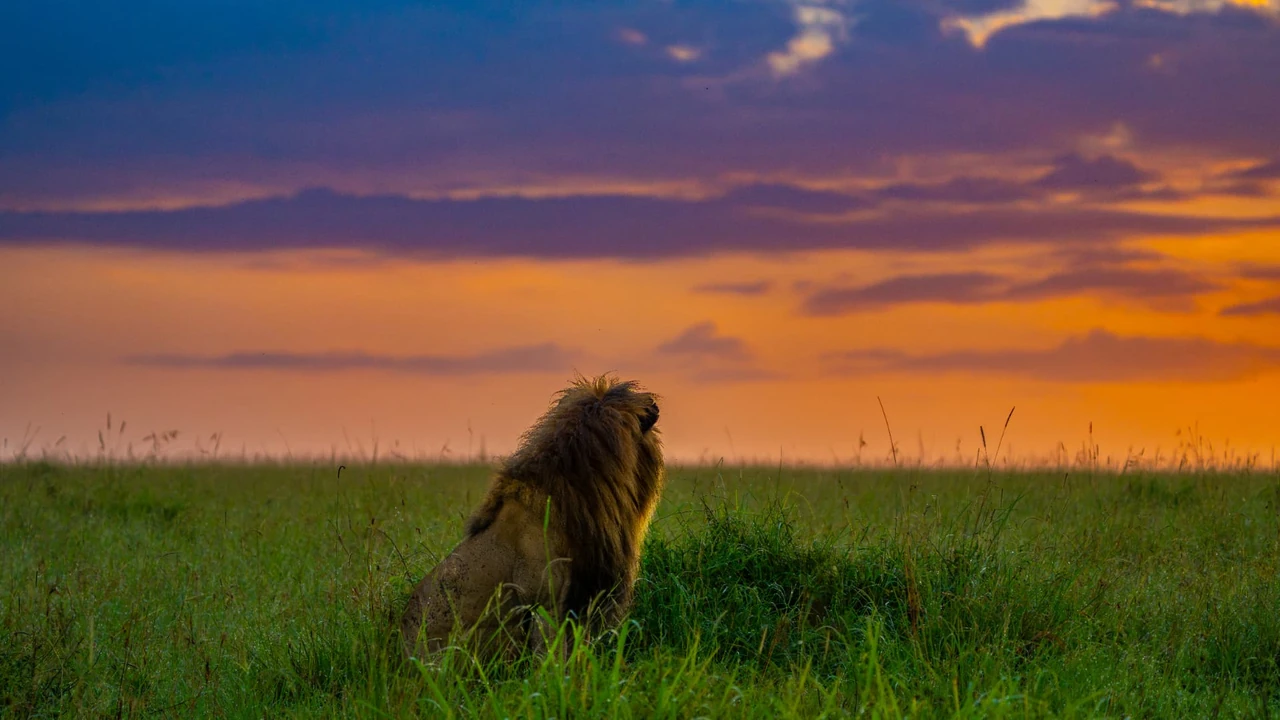
Ask ten wildlife photographers when to visit the Masai Mara and you may get ten different answers. One will tell you to come for the Great Migration. Another will talk about January's warm light and resident big cats. Someone else will insist that the green season is when the Mara looks most beautiful.
They can all be right. The best time to visit the Masai Mara for wildlife photography depends on the photographs you want to make—not simply on the month with the most famous name.
The Maasai Mara is part of the wider Mara–Serengeti ecosystem, where wildebeest, zebra and other grazing animals move in response to rainfall and fresh grass. The migration happens across the year, although the dramatic herds and possible Mara River crossings are most associated with the Kenyan season from around July to October. Kenya's official tourism board stresses that the migration is a year-round movement, not a single event on a fixed date (Magical Kenya: The Great Migration).
For photographers, that means choosing between different opportunities: big cats on open plains, huge herds, green landscapes, birds, dramatic skies or a quieter experience focused on resident wildlife.
In this guide
- First, decide what you want to photograph
- January to March: resident wildlife and warm, open landscapes
- April and May: the long-rains season
- June: a useful shoulder period
- July to October: the Great Migration and possible river crossings
- November and December: fresh growth and a different rhythm
- Which month is best for big cats?
- Light matters as much as the season
- Where you stay changes the experience
- A practical decision guide
- What to pack for the season
- Final thought: choose the season for the photographs you want to make
First, decide what you want to photograph
Before choosing flights or a camp, ask yourself one question: What would make this trip a success for me?
If the answer is a river crossing, plan around the migration period—but keep expectations flexible. If it is a set of intimate lion or cheetah portraits, there is no need to assume the busiest migration weeks are automatically best. If you love environmental portraits, clouds, fresh grass and moody skies may be just as useful as dry, golden plains.
A photography safari is not a hunt for a particular date. It is a plan that gives you the best practical chance to work with the kind of light, habitat and animal behaviour you want to photograph.
January to March: resident wildlife and warm, open landscapes
The first months of the year can suit photographers who want to concentrate on resident wildlife rather than build the whole itinerary around the migration. In many years, parts of the Mara have a drier look during this period, although the exact appearance of the grasslands depends on recent rainfall.
Lions, cheetahs, leopards, elephants, hyenas, giraffes, zebras and abundant plains game remain part of the ecosystem year-round. The appeal is the opportunity to photograph those animals without making a river crossing the central objective.
For camera work, this period can be useful for clean compositions, warm tones and images of animals moving through open grass. Morning and late-afternoon light can be especially rewarding. Midday can be harsh, so think about behaviour, shade and backgrounds rather than assuming every hour is ideal for portraits.
The January–March period is also relevant to Savara Trails' currently published Wildlife Photography Workshop by Faisal Magnet, scheduled for 22–26 January 2027. The live package page lists four nights and five days, a maximum of four participants and a starting price of US$2,899 per person; confirm availability and terms directly before booking (Savara Trails workshop details).
Good for: resident big cats, environmental portraits, learning-focused photography, savannah scenes and a trip not built solely around the migration.
April and May: the long-rains season
The long rains often arrive around March and continue into May, but rainfall is variable and can differ between parts of the ecosystem. When the rain comes, the Mara changes character. Fresh grass softens the landscape, clouds build over the plains and the light can shift from bright to atmospheric in minutes.
This is an appealing season for photographers who enjoy colour, texture and landscape storytelling. A lion against fresh green grass makes a different image from the same animal in dry golden vegetation. Storm clouds may add drama to a wide frame, and wet ground can deepen colours.
There are trade-offs. Rain can make tracks muddy, affect transfers and change how easy it is to reach some areas. Ask camps and operators what the roads and access are usually like for your exact dates. A quieter period should never be sold as a guarantee of private sightings or easier wildlife photography.
Good for: green-season landscapes, dramatic skies, environmental portraits and photographers happy to adapt to weather.
June: a useful shoulder period
June can be a transition month, but the Mara does not follow a rigid calendar. Herd movements depend on conditions across the wider ecosystem, not a tourism schedule. Some visitors prefer this period because it may sit between the rainy months and the busiest migration weeks.
Photographically, it can be a good time to concentrate on resident wildlife and the changing landscape. If migration is your main reason for travelling, ask your operator what has been observed recently—but treat that information as context, not a promise about what will happen during your stay.
Good for: a flexible safari before peak migration demand, subject to current conditions and availability.
July to October: the Great Migration and possible river crossings
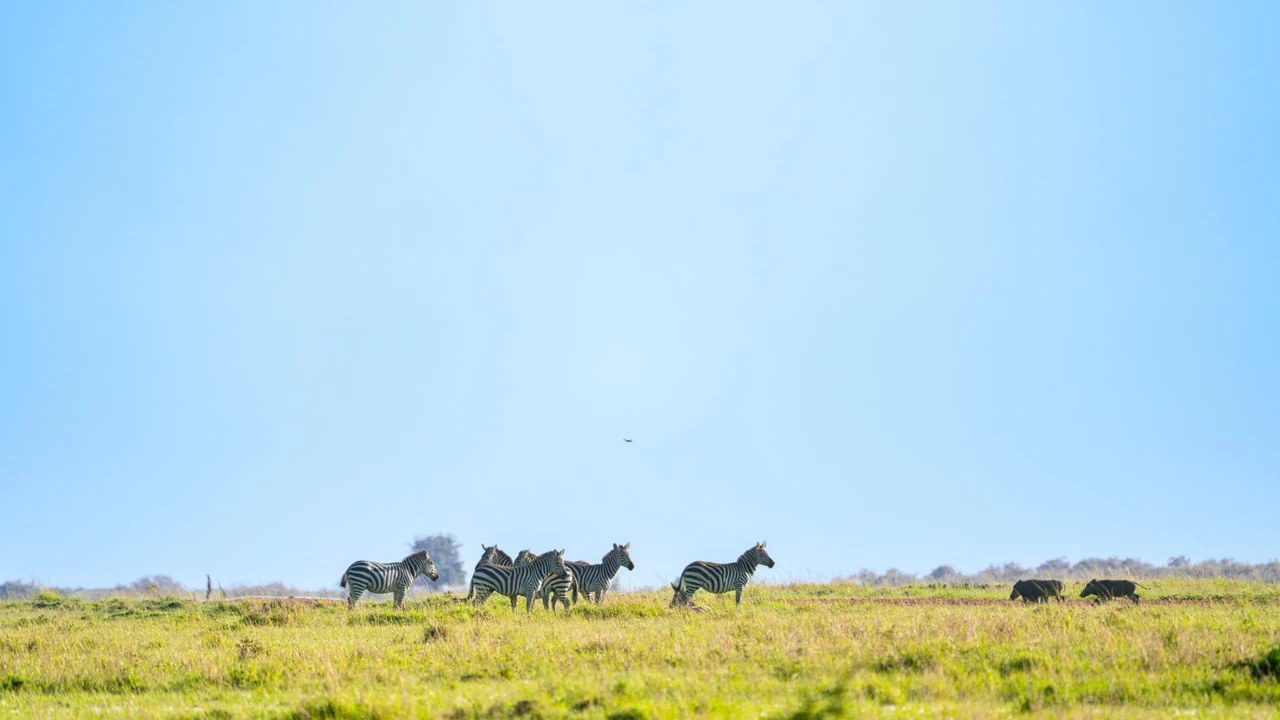
This is the period most often associated with the Great Migration in Kenya. Large numbers of wildebeest and zebra may move into the Mara from the Serengeti, and the Mara River can become a focal point for dramatic crossings. Predators, crocodiles, dust, herd movement and huge open scenes can produce unforgettable photographs.
There is one important catch: a river crossing cannot be scheduled or guaranteed. Herds may gather on the banks and wait, change direction or cross somewhere else. The timing varies from year to year, and even a well-positioned camp cannot control the animals.
Migration photography is not limited to the river. Photograph the shape of a herd against the horizon, individual animals moving through dust, calves staying close to adults, birds following the herds and predators responding to changes in prey availability. Those photographs may tell a more complete story than a single crossing image.
The busiest period also brings greater pressure on popular camps and viewing areas. Book well ahead if you have fixed dates, and ask how the camp's location affects access to the areas you want to explore. The Mara National Reserve and surrounding conservancies have different management and activity rules; confirm exactly where your game drives will take place.
Good for: large herds, migration storytelling, possible river crossings and dramatic predator-prey scenes.
November and December: fresh growth and a different rhythm
The short rains commonly occur around November and December, though the timing and intensity vary. The landscape can take on fresh colour, and birdlife may be a strong part of the experience. The Mara's resident mammals do not disappear when the migration herds move south.
For photographers, this can be an appealing period if you prefer varied landscapes and a less migration-centred itinerary. Weather remains unpredictable, so pack for both sun and rain and check the operating arrangements for your camp and chosen area.
Good for: fresh vegetation, birds, resident wildlife and atmospheric landscape photography.
Which month is best for big cats?
There is no reliable month that guarantees lions, leopards or cheetahs. They are wild animals whose behaviour and visibility change with prey movement, weather, vegetation and the time of day.
A better strategy is to choose a season that fits your other priorities, stay long enough to have several game drives and work with a knowledgeable guide. Ask about typical wildlife experiences in the specific area, not just a headline claim about sightings.
Light matters as much as the season
The early morning and late afternoon are often the most comfortable periods for photography and can provide softer, directional light. The best light, however, does not always coincide with the best behaviour. A cloudy morning can be beautiful; bright midday light can still work for behaviour, silhouettes or details if you adjust your approach.
Carry a telephoto zoom for distant subjects and a shorter lens for environmental frames. Look for clean backgrounds, space in front of an animal that is moving and moments that show behaviour rather than only a face. Give yourself permission to make a wide photograph that shows the place.
Where you stay changes the experience
The Maasai Mara National Reserve, the Mara Triangle and neighbouring conservancies have different management structures and access arrangements. A camp marketed as “Mara” may be inside the reserve, inside a conservancy or outside the main protected area. That distinction affects travel times, fee structures and which activities are permitted.
Before booking, confirm the camp's exact location, what fees are included, whether the itinerary uses the reserve or a conservancy and how long a typical drive will spend travelling to the areas you want to photograph. Conservancies can offer a quieter experience in some circumstances, but they are not automatically better for every subject.
Review the Mara’s game-drive etiquette guidance and follow the rules of the specific area you visit.
A practical decision guide
-
Choose July–October if migration herds are central to your goal and you accept that river crossings are unpredictable.
-
Consider January–March for a resident-wildlife trip focused on big cats, varied behaviour and photography practice.
-
Look at April–May or November if you enjoy greener landscapes and dramatic weather and are comfortable with changing access conditions.
-
Plan extra days if your schedule allows. More time gives you flexibility, though it never guarantees a sighting.
What to pack for the season
A lightweight waterproof layer is useful in rainy periods; a warm layer helps before dawn and after sunset. Bring dust protection for your camera, spare batteries and cards, a telephoto lens you can handle comfortably and a shorter lens for wide landscapes. If you are flying on a light aircraft, confirm the carrier's baggage rules before arriving with large camera bags.
Final thought: choose the season for the photographs you want to make
The best time to visit the Masai Mara for wildlife photography is not the same for every photographer. Migration season offers scale and spectacle, the drier months can reveal open landscapes, and the rains can transform the Mara into a softer, greener world.
Choose your priorities, verify the current arrangements and leave room for surprise. A migration may cross your path, but so may a quiet moment between a lion and its cub, a cheetah scanning the grass or a storm moving across the plains. These are all part of the Mara's story.
Explore the Maasai Mara with Savara Trails. Frame the Wild.
Sources
- Magical Kenya — The Great Migration
- Masai Mara — Game-drive etiquette
- Mara North Conservancy — Game-drive etiquette
- Wildlife Photography Workshop by Faisal Magnet
About Savara Trails
Savara Trails is a registered partnership firm in India, co-founded by Rahul and Jayakumari Vijayan. Masai Mara safaris are bookable now; India and Borneo journeys are coming soon.