Kenya Wildlife Photography Safari: The Complete Guide to the Best National Parks, Hidden Gems and Wildlife Photography Locations
By Savara Trails · Published 11 October 2026
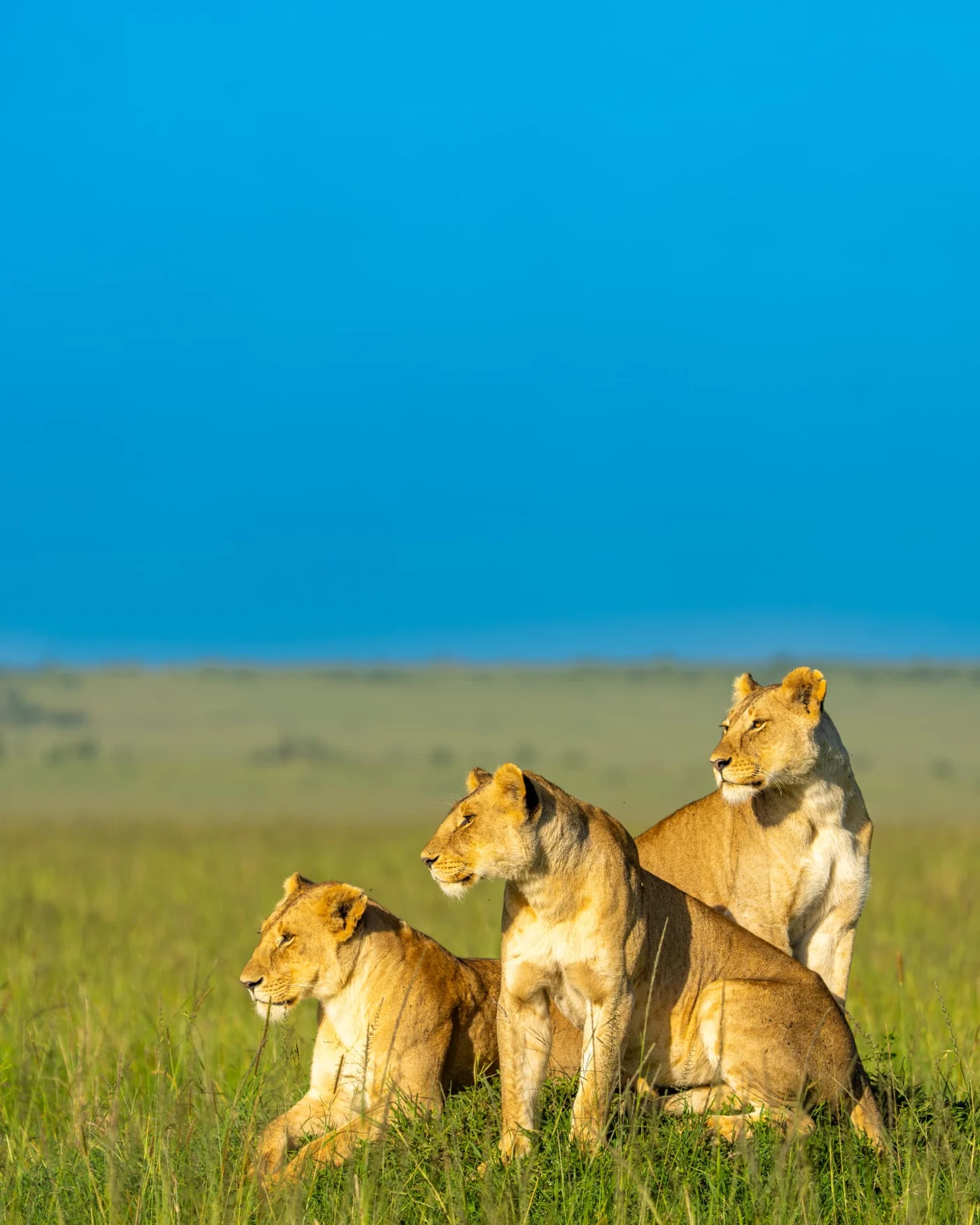
There is a reason Kenya continues to draw wildlife photographers back to Africa.
It might be the sight of a lion walking through golden grass just after sunrise. It might be an elephant crossing the Amboseli plains with Mount Kilimanjaro rising behind it. Or it might be something less expected: a gerenuk standing on its hind legs to feed, a rare forest bird disappearing into the canopy, or a leopard resting on a branch in the late-afternoon light.
Every part of Kenya offers a different story.
The open savannahs of the Maasai Mara are famous for big cats and the Great Migration. Amboseli is renowned for its elephants and dramatic mountain backdrop. Samburu introduces photographers to wildlife adapted to the country's dry northern landscapes, while Laikipia offers important conservation areas for rhinos and endangered species. Further west, forests and wetlands reveal an entirely different side of Kenyan biodiversity. Along the coast, coral reefs, mangrove forests and marine protected areas create opportunities for photographers willing to look beyond the traditional safari.
For anyone planning a Kenya wildlife photography safari, the challenge is not simply deciding which animals to photograph. It is choosing the right locations, understanding seasonal conditions, allowing enough time in the field and finding a safari experience that matches your photographic interests.
This guide brings together the essential information for planning a Kenyan wildlife photography expedition, from the best national parks and lesser-known destinations to camera equipment, safari costs, travel logistics and responsible photography.
Whether you are preparing for your first African safari or planning a specialised photographic journey, consider this your starting point for exploring Kenya through a camera lens.
Kenya Wildlife Photography Safari at a Glance
| What you want to photograph | Destinations to consider |
|---|---|
| Lions, leopards and cheetahs | Maasai Mara and selected Mara conservancies |
| Great Migration and wildebeest herds | Maasai Mara, particularly during the migration season |
| Elephants with Mount Kilimanjaro | Amboseli National Park |
| Grevy's zebra, gerenuk and reticulated giraffe | Samburu, Buffalo Springs, Shaba and parts of Laikipia |
| Black and white rhinos | Ol Pejeta, Lewa-Borana, Lake Nakuru and Meru |
| Red elephants and expansive wilderness | Tsavo East National Park |
| Volcanic scenery, springs and forest wildlife | Tsavo West and Chyulu Hills |
| Flamingos and waterbirds | Lake Bogoria, Lake Nakuru and Lake Elementaita, depending on conditions |
| Rare forest birds and specialist bird photography | Kakamega Forest and Arabuko-Sokoke Forest |
| Sitatunga antelope | Saiwa Swamp National Park |
| Roan antelope | Ruma National Park |
| Marine wildlife | Watamu and Kisite-Mpunguti marine protected areas |
| Urban skyline and wildlife | Nairobi National Park |
The best itinerary depends on how much time you have, which species interest you most and whether you prefer a classic vehicle-based safari, specialised bird photography or a wider exploration of Kenya's ecosystems.
1. Why Kenya Is One of Africa's Great Wildlife Photography Destinations
Kenya's appeal comes from the diversity of its landscapes and wildlife.
Within one country, photographers can move from open grasslands and semi-arid plains to montane forests, freshwater wetlands, volcanic hills, coastal forests and marine ecosystems.
This variety matters because wildlife photography is shaped by habitat as much as by the animal itself.
A leopard photographed against an open savannah creates a very different image from a leopard seen moving through dense vegetation. An elephant crossing an open plain provides a different visual story from one emerging through the mist in a highland forest.
Kenya also offers established safari infrastructure, experienced wildlife guides, domestic air connections and accommodation across a wide range of budgets. This makes it possible to design itineraries around particular animals, photographic styles or conservation interests.
The appeal of photographing wild animals in natural habitats
Wildlife photography depends on observing animals as they behave naturally.
The most memorable moment may be a predator preparing to hunt, an elephant interacting with another member of its herd or a bird displaying its courtship behaviour.
These moments are unpredictable. A wildlife photography safari should therefore allow sufficient time for observation instead of treating every encounter as a quick opportunity to take a picture and leave.
Kenya's community conservancies deserve attention
One of the most important aspects of Kenyan wildlife tourism is that conservation extends beyond government-managed national parks and reserves.
The Northern Rangelands Trust reports that approximately 65% of Kenya's wildlife lives outside government-protected areas. Community conservancies are therefore important to wildlife movement, habitat protection and the coexistence of wildlife and local communities.
For photographers, conservancies can provide access to different landscapes and wildlife experiences. For conservation, responsible tourism can help support the people and institutions protecting these areas.
2. The Best National Parks and Reserves in Kenya for Wildlife Photography
2.1 Maasai Mara National Reserve: Kenya's Big-Cat Heartland
The Maasai Mara, often searched as the Masai Mara, is one of Africa's most recognisable wildlife destinations.
Its open grasslands, scattered acacia trees, river systems and expansive horizons offer excellent opportunities to photograph lions, cheetahs, leopards, elephants, hyenas, zebras and wildebeest.
The reserve is also associated with the Great Migration, when enormous herds of wildebeest and zebra move through the wider Mara–Serengeti ecosystem.
Why photographers visit
The Mara offers a combination of predator photography, herd behaviour, environmental portraits and landscape-led images. The open terrain can provide cleaner backgrounds than heavily wooded habitats, although conditions vary across the reserve.
Photographers can work with wide compositions showing animals within the landscape, or tighter images that emphasise facial expression, fur texture and behaviour.
What to photograph
Lions resting or interacting, cheetahs scanning the plains, leopards in suitable habitat, wildebeest herds, vultures, birds of prey and the changing colours of the savannah.
Best period
July to October is strongly associated with the Great Migration in the Kenyan Mara. January to March can also be rewarding for resident wildlife photography. Neither period guarantees a particular sighting.
Reserve or conservancy?
The Maasai Mara National Reserve is managed separately from the surrounding private and community conservancies. The Mara Triangle also has its own management arrangements through the Mara Conservancy.
Conservancies can offer lower vehicle density and additional activities in some areas, such as guided walks and night drives, subject to their own rules. Do not assume that these activities are permitted inside the main reserve or available at every property.
For a photography-focused safari, accommodation location, guide experience and time spent in the field matter as much as the destination's reputation.
Official visitor information: Mara Conservancy game-drive etiquette and Savara Trails' Kenya destination guide.
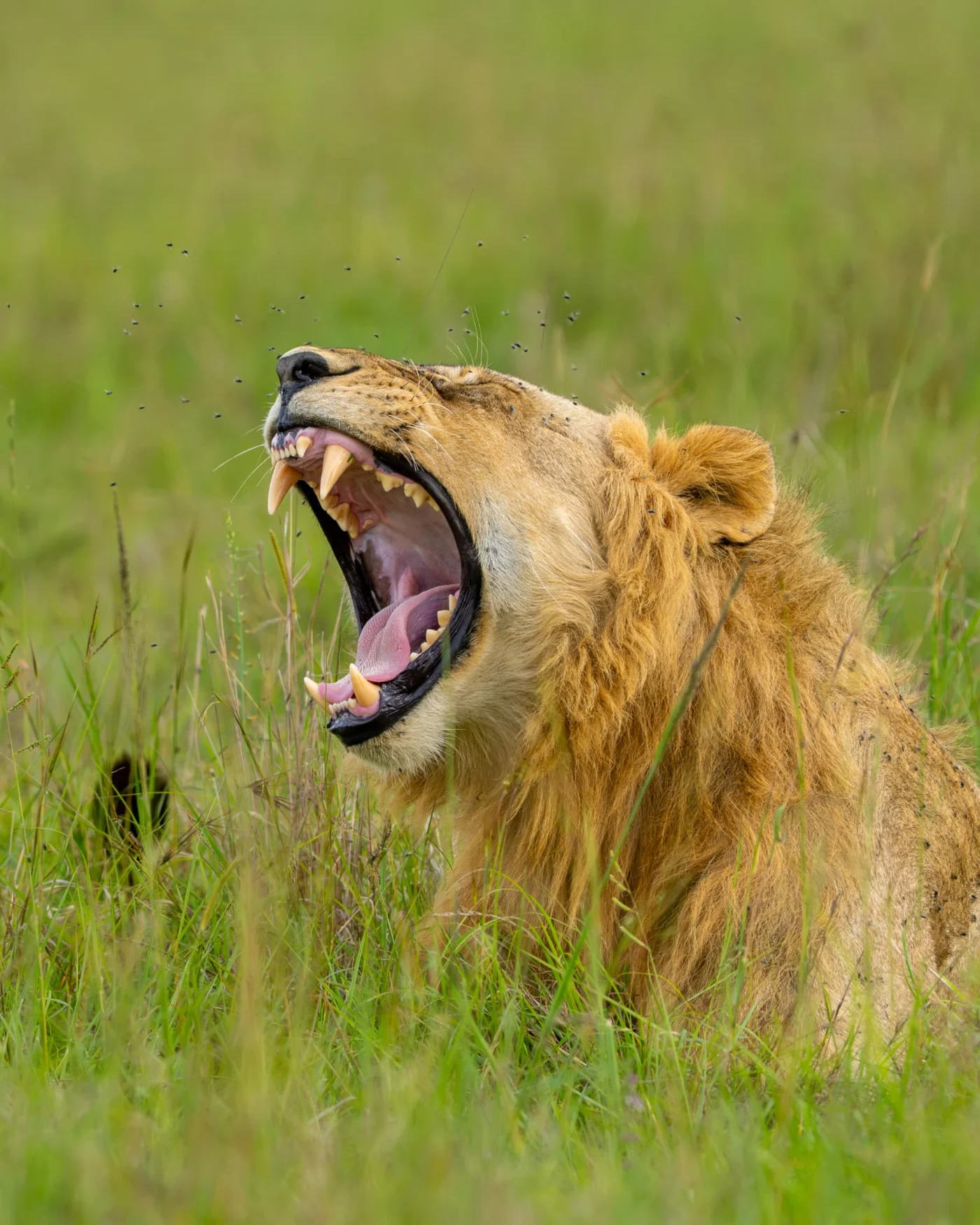
2.2 Amboseli National Park: Elephants and Mount Kilimanjaro
Amboseli is one of the most visually distinctive places in Kenya for wildlife photography.
Its open plains, acacia woodland, swamps and marshes support large elephant herds and a range of other wildlife. Mount Kilimanjaro provides the celebrated backdrop that makes the park particularly attractive to landscape-oriented wildlife photographers.
Why photographers visit
Amboseli offers an opportunity to combine wildlife portraits with powerful environmental compositions.
An elephant walking across the plains is a good photograph in its own right. An elephant framed against Kilimanjaro, when the mountain is visible, can communicate the scale and character of the landscape.
What to photograph
Elephants, buffalo, zebras, wildebeest, giraffes, waterbirds, raptors and the changing scenery around the wetlands.
Photography considerations
Clouds often obscure the mountain, so the classic Kilimanjaro composition cannot be guaranteed. Patience and flexibility are essential. You may have excellent elephant encounters even when the summit remains hidden.
Early-morning light can be attractive, while haze and dust may create atmospheric images later in the day.
Best for: Elephant photography, environmental portraits, landscape-led wildlife images and bird photography around wetlands.
Official information: Kenya Wildlife Service — Amboseli National Park.
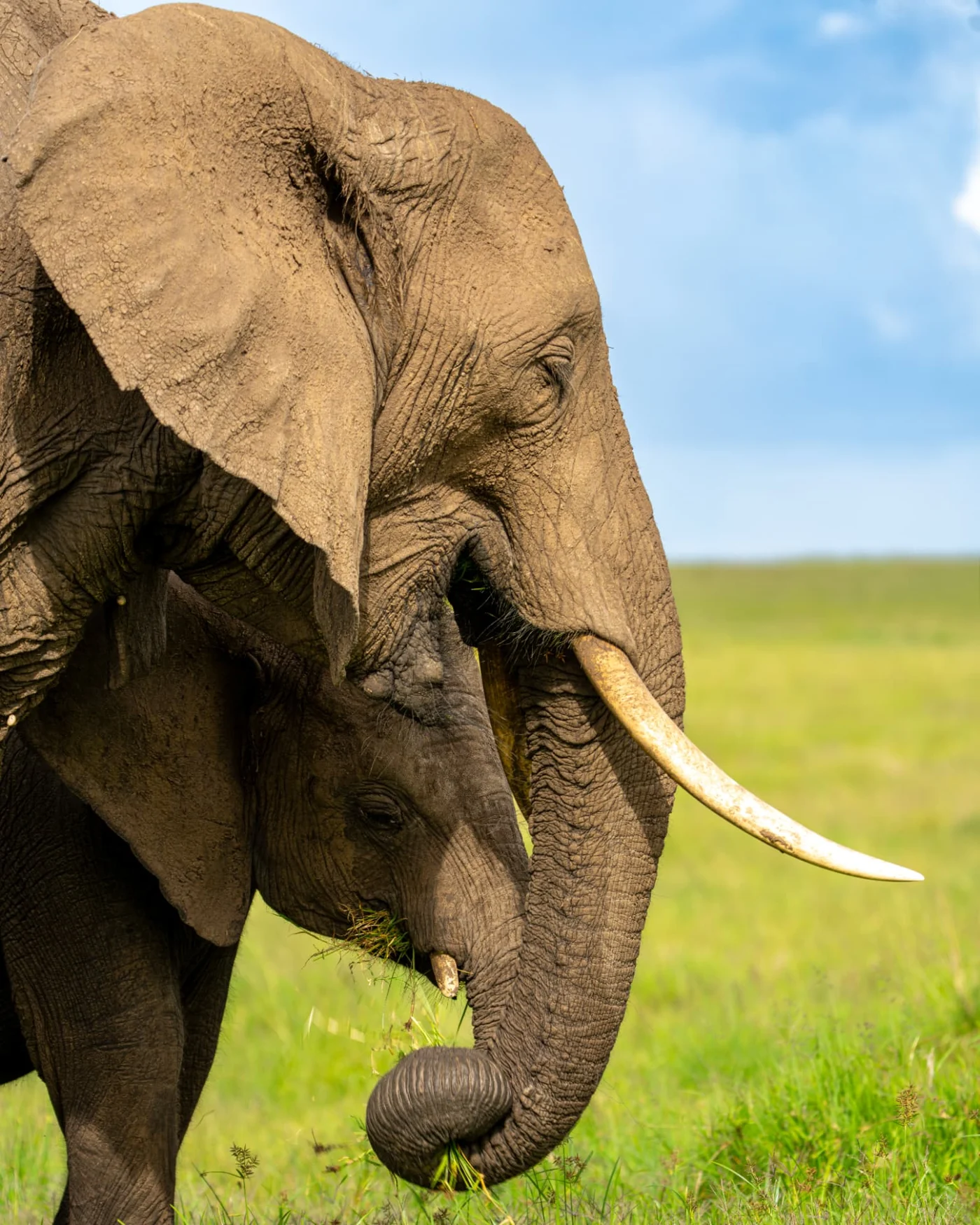
2.3 Samburu National Reserve: A Different Side of Kenyan Wildlife
Northern Kenya offers a striking contrast to the familiar grasslands of the Mara.
Samburu's semi-arid landscape is characterised by dry scrub, open plains, rocky terrain and the Ewaso Ng'iro River. Vegetation, water and the surrounding landscape shape where wildlife is encountered.
Samburu is particularly important for photographers interested in several species collectively known as the Samburu Special Five.
These are:
- Grevy's zebra.
- Reticulated giraffe.
- Beisa oryx.
- Gerenuk.
- Somali ostrich.
The animals are adapted to the dry northern environment, and their different shapes, markings and feeding behaviour offer excellent photographic subjects. The Samburu reserve's wildlife guide provides further information on these species.
What makes Samburu special for photography?
The river provides a focal point for wildlife activity, while the dry landscape can create strong colour contrasts and uncluttered compositions.
Gerenuk feeding on elevated vegetation, reticulated giraffes moving through acacia scrub and Grevy's zebras against warm earth tones are examples of images that distinguish Samburu from the more familiar southern safari landscapes.
Samburu is also worth considering for elephants, lions, leopards and birdlife.
Best for: Northern Kenyan wildlife, unusual antelope, specialised mammal photography and landscape variation.
2.4 Buffalo Springs and Shaba National Reserves
Buffalo Springs and Shaba are neighbouring reserves associated with the wider Samburu landscape.
They are worth considering for photographers who want to explore more than one part of northern Kenya rather than limiting the itinerary to a single reserve.
Dry-country wildlife, riverine habitats, rocky hills and varied vegetation create opportunities for different compositions and encounters.
Shaba's more rugged scenery can be attractive to photographers interested in showing the relationship between wildlife and the environment.
The practical considerations are important: these reserves have their own management, access arrangements and fees. Check permits and accommodation locations before deciding to move between them.
Best for: Northern species, varied arid landscapes, river-based wildlife activity and a less conventional Kenyan safari itinerary.
2.5 Ol Pejeta Conservancy: Rhinos and Conservation Photography
Located in Laikipia County, Ol Pejeta Conservancy is an important destination for travellers interested in wildlife photography and conservation.
The conservancy is recognised for its work with black and white rhinos and is home to Kenya's only chimpanzee sanctuary.
For photographers, the opportunity to learn about conservation as well as photograph wildlife makes Ol Pejeta particularly interesting.
What to photograph
Rhinos, elephants, buffalo, predators, plains wildlife and the landscape of the central Kenyan highlands. Activities involving chimpanzees or specific conservation programmes should be understood in terms of the rules and opportunities offered by the conservancy.
Why it is worth including
A wildlife journey does not need to focus entirely on iconic predator encounters. Photographing threatened species and learning about the work involved in protecting them can give the expedition a wider purpose.
Ol Pejeta publishes its own visitor rates, booking conditions and activity information. Its current official entry-fee page should be checked before travel.
Best for: Rhino photography, conservation-focused travel and combining wildlife observation with educational experiences.
2.6 Lewa-Borana Conservancy: Grevy's Zebra and Rhino Conservation
The Lewa–Borana landscape in central Kenya is another important destination for conservation-led photography.
Lewa Wildlife Conservancy has played a significant role in protecting endangered species, particularly Grevy's zebra and rhinos.
For photographers, the region offers opportunities to photograph unusual zebra markings, wildlife in highland savannah settings and the wider landscape of conservancy-based conservation.
Its photographic appeal is not limited to rare animals. The open spaces, changing light and relationships between wildlife and habitat can produce compelling environmental photographs.
Access and accommodation must be arranged through the relevant conservancy or its authorised tourism partners.
Useful official references: Lewa's wildlife conservation work and Grevy's zebra conservation.
2.7 Tsavo East National Park: Vast Landscapes and Red Elephants
Tsavo East is one of Kenya's largest national parks, with expansive semi-arid landscapes, open plains, acacia scrub and the Galana River system.
The region is famous for its red elephants. Their colour comes largely from the red earth and dust that coats their skin, rather than a naturally red pigment.
For photographers, Tsavo East is especially attractive when scale and landscape are as important as the animal.
Large elephant herds moving through dusty terrain, wildlife beside rivers and distant animals appearing across enormous open spaces can tell a different photographic story from the close encounters often associated with the Mara.
Tsavo also supports extensive birdlife, making it worth considering for photographers who want a mixture of mammals and birds.
Best for: Elephant photography, expansive landscapes, dry-country wildlife and photographers seeking a large wilderness setting.
Official information: Kenya Wildlife Service — Tsavo East National Park.
2.8 Tsavo West National Park: Springs, Lava and Diverse Habitats
Tsavo West offers a different visual character from Tsavo East.
Its terrain includes volcanic formations, hills, woodland, savannah and the famous Mzima Springs, where clear water emerges from the surrounding volcanic landscape.
This combination creates opportunities for photographs that are as much about habitat and geological features as wildlife.
What to photograph
Elephants, birds, other mammals, riverine and spring environments, volcanic textures and dramatic views across the park.
Mzima Springs is particularly interesting for observing aquatic and shoreline wildlife. The experience depends on the habitat, access and conditions at the time of the visit.
Tsavo West is worth considering as part of a wider southern Kenya journey that also includes Tsavo East, Amboseli or nearby conservancy areas.
Official information: Kenya Wildlife Service — Tsavo West National Park.
2.9 Lake Nakuru National Park: Rhinos, Waterbirds and Rift Valley Scenery
Lake Nakuru sits within the Great Rift Valley and combines a shallow lake with grassland, woodland, rocky escarpments and forested hills.
It is an important sanctuary for both black and white rhinos, and the surrounding habitats support a range of birds and mammals.
For wildlife photographers, Lake Nakuru offers the chance to work with several photographic subjects in a relatively compact protected landscape.
Rhinos can be excellent subjects for portraits and environmental photography. The lake and its surrounding slopes also create opportunities for landscapes and waterbird photography.
Flamingos are associated with the lake, but their numbers and distribution change with water conditions and food availability. They should not be treated as a guaranteed sighting.
Best for: Rhino photography, birdlife, scenic lake views and a useful addition to a broader Rift Valley itinerary.
Official information: Kenya Wildlife Service — Lake Nakuru National Park.
2.10 Meru National Park: One of Kenya's Most Rewarding Less-Visited Choices
Meru is an excellent option for photographers who want to explore a major protected area beyond the most familiar safari circuit.
Its landscapes include open grassland, thorny bushland and riverine forests. The park supports elephants, buffalo, lions, leopards, cheetahs, rhinos and a wide range of other wildlife.
Meru is also associated with the conservation story of Elsa the lioness, made famous through Born Free.
Its variety of habitats provides a broader photographic experience than simply looking for predators. The changing environments, river systems and rich birdlife can support several different photographic interests within one visit.
The park also includes a dedicated rhino sanctuary, making it worth considering for travellers interested in conservation.
Best for: A quieter wilderness experience, rhino conservation, varied habitat photography and photographers seeking destinations beyond the classic circuit.
Official information: Kenya Wildlife Service — Meru National Park.
2.11 Nairobi National Park: Wildlife Beside a Capital City
Nairobi National Park offers an unusual photographic contrast: wild animals in a protected landscape with the city's skyline visible in the background.
Its grasslands, riverine habitats and open plains support lions, rhinos, giraffes, buffaloes and numerous birds.
For photographers with limited time in Kenya, the park can be a useful introduction to local wildlife without a long transfer to another destination.
It can also provide an interesting opening or closing chapter to a wider safari, depending on arrival and departure times.
The distinctive skyline creates opportunities for environmental photographs that are not possible in most other parks.
Best for: Short visits, wildlife and cityscape compositions, rhinos and bird photography.
Official information: Kenya Wildlife Service — Nairobi National Park.
3. Kenya's Hidden Gems for Wildlife Photography
Some of Kenya's most rewarding photographic experiences are found away from the destinations most visitors know by name.
These locations may require more time, specialist planning or a particular interest in birds, rare mammals or unusual landscapes. They are not necessarily better than the famous parks; they simply offer something different.
3.1 Saiwa Swamp National Park: Photographing the Sitatunga
Saiwa Swamp is a small protected area in western Kenya, known for its wetland habitats and the elusive sitatunga antelope.
The sitatunga is adapted to swampy environments and can be difficult to photograph clearly in dense vegetation. That is part of the challenge.
Boardwalks, nature trails and suitable observation points provide a different photography experience from a conventional vehicle-based game drive.
The park also supports a rich variety of birdlife and other species.
This is a destination for photographers who enjoy patience, observation and working carefully with vegetation and available light.
Photographic focus: Sitatunga, wetland birds, forest-edge species and natural habitat compositions.
Official information: Saiwa Swamp National Park.
3.2 Ruma National Park: Kenya's Rare Roan Antelope
Ruma National Park in western Kenya is particularly important because it protects Kenya's remaining population of roan antelope in a natural sanctuary setting.
Its landscape includes open plains, woodland and terrain framed by surrounding escarpments.
Roan antelope are not the first species that comes to mind when travellers think of a Kenya safari, which is precisely why Ruma is attractive to photographers with an interest in unusual wildlife.
The park is also associated with other mammals, including Rothschild's giraffe and oribi.
Because it is less commonly included in standard itineraries, allow time to research access, accommodation, road conditions and the practicalities of visiting the region.
Photographic focus: Roan antelope, rare mammal portraits, grassland wildlife and western Kenya landscapes.
Official information: Kenya Wildlife Service — Ruma National Park.
3.3 Kakamega Forest: Kenya's Rainforest Photography Destination
Kakamega Forest offers a completely different experience from the open savannahs of the Mara.
This tropical forest in western Kenya is an important biodiversity area, supporting forest birds, primates, butterflies, reptiles and indigenous plant life.
The dense canopy and filtered light create photographic challenges that are uncommon on a typical game drive.
Instead of relying on a long telephoto lens to isolate a large mammal, photographers often need to work patiently among leaves, branches, shadows and small openings in the forest.
Bird photography can be particularly rewarding with a knowledgeable local guide.
Photographic focus: Forest birds, primates, butterflies, canopy scenes and close natural-history details.
A fast lens and a camera with good high-ISO performance are useful here.
Official information: Kakamega Forest National Reserve.
3.4 Marsabit National Park: Northern Kenya's Green Oasis
Marsabit National Park sits within a striking transition from arid northern Kenya to a cooler, forested volcanic landscape.
Its crater lakes, dense vegetation and expansive surroundings make it visually different from the surrounding dry country.
The park is also associated with large-tusked elephants, including the legendary Ahmed, an important figure in Kenya's conservation history.
For photographers, Marsabit offers opportunities to work with forest wildlife, crater-lake scenery and landscapes that contrast sharply with the dry plains outside the park.
The journey requires more planning than a standard southern Kenya safari because of the distances involved.
Photographic focus: Elephants, reticulated giraffes, Grevy's zebra, birds, misty forest and crater-lake landscapes.
Official information: Marsabit National Park.
3.5 Chyulu Hills: Wildlife Against Volcanic Landscapes
Chyulu Hills offers rolling green hills, forest patches, volcanic formations and wide views across southern Kenya.
The landscape itself is the attraction as much as any single animal.
Wildlife photography here can include elephants, buffalo, antelope and birds, depending on location and conditions. The setting also provides opportunities for environmental compositions that connect animals to a broader landscape.
Chyulu Hills is worth considering for travellers combining Amboseli and Tsavo, provided the itinerary and accommodation arrangements allow enough time to explore it properly.
Photographic focus: Expansive scenery, volcanic textures, forest edges and wildlife in a dramatic landscape.
Official information: Chyulu Hills National Park.
3.6 Aberdare National Park: Forests, Waterfalls and Highland Wildlife
The Aberdare range brings a cooler, mistier environment into a Kenya wildlife itinerary.
Dense montane forest, high-altitude moorlands, waterfalls and deep valleys create a very different photographic atmosphere from the savannah.
Elephants and buffaloes are among the mammals associated with the park, while forest birds and other woodland species provide opportunities for natural-history photography.
Visibility can be challenging in forested habitats, particularly when animals move through thick vegetation. This makes the destination interesting for photographers who enjoy atmosphere and environmental storytelling rather than relying on clear views of large mammals.
Photographic focus: Forest wildlife, waterfalls, moorlands, atmospheric landscapes and birds.
Official information: Aberdare National Park.
3.7 Shimba Hills National Reserve: A Coastal Forest Surprise
Located inland from Kenya's southern coast, Shimba Hills combines rolling hills, forest and coastal-influenced habitats.
Its most distinctive wildlife attraction is the sable antelope. The reserve is known as the home of Kenya's remaining breeding herd of this striking antelope.
Elephants, forest wildlife and birds also contribute to the experience.
Shimba Hills is a strong candidate for photographers who want to add a specialised wildlife destination to a coastal holiday without travelling across the country to another major safari region.
Photographic focus: Sable antelope, elephants, forest wildlife, scenic hills and Sheldrick Falls.
Official information: Shimba Hills National Reserve.
3.8 Arabuko-Sokoke Forest and Mida Creek: Coastal Bird Photography
The coastal forest and wetland habitats around Arabuko-Sokoke and Mida Creek are important locations for specialist bird photographers.
The Kenya Forest Service identifies Arabuko-Sokoke as a major coastal forest supporting more than 270 recorded bird species and rare species found in this region.
The forest contains different vegetation types, and its paths and observation points provide a very different experience from open savannah game drives.
Nearby Mida Creek adds mangrove habitat, tidal mudflats and opportunities to photograph shorebirds and other wetland species.
This region is particularly interesting for photographers who want to focus on rare birds, forest details and coastal ecosystems.
Photographic focus: Sokoke scops owl, Clarke's weaver, other coastal forest birds, butterflies, mangroves and shorebirds, depending on location and season.
Specialist guiding can make a significant difference when searching for elusive forest species.
3.9 Hell's Gate and the Lake Naivasha Area: Landscapes and Birds
Hell's Gate National Park is known for its dramatic cliffs, gorges, volcanic scenery and open landscapes.
It is not primarily a big-cat destination, but it offers opportunities for photographing zebras, antelope, birds, geological formations and the distinctive Rift Valley environment.
Its permitted walking and cycling experiences also make it different from conventional vehicle-based safari parks. Activities must follow current park rules and safety guidance.
Nearby Lake Naivasha and surrounding sites add freshwater habitats, waterbirds and hippos. Boat excursions and other activities are conducted under different arrangements, so confirm the operator, route and applicable rules.
Photographic focus: Gorges, cliffs, raptors, grazing animals, lake scenery and waterbirds.
This region is useful for combining wildlife photography with landscapes and a more active nature-based itinerary.
3.10 Lake Elementaita and Lake Bogoria: Rift Valley Bird Photography
The lakes of the Great Rift Valley provide another important dimension to a Kenyan photography safari.
Lake Elementaita is recognised for its waterbirds, including flamingos, pelicans and other wetland species. It is also an Important Bird Area and part of the Kenya Lakes System recognised for its international conservation significance.
Lake Bogoria is known for its alkaline waters and large concentrations of flamingos at times, although bird numbers and locations change with ecological conditions.
For photographers, these lakes offer opportunities for flock behaviour, flight photography, reflections and landscape compositions.
The presence of flamingos is not constant. Water levels, food availability and bird movements can significantly influence what is visible during a visit.
Photographic focus: Flamingos when present, pelicans, waterbirds, shoreline landscapes and bird movement.
For official information on Lake Elementaita, see the Kenya Wildlife Service destination guide.
3.11 Watamu and Kisite-Mpunguti: Kenya's Marine Wildlife
Kenya's wildlife photography opportunities extend beyond land.
Along the coast, marine protected areas offer opportunities to photograph coral reefs, fish, sea turtles and other marine life. Depending on the destination and conditions, dolphins, whales or whale sharks may also be encountered in the wider marine environment.
Watamu Marine National Park and Reserve supports coral reef and mangrove habitats, while Kisite-Mpunguti is known for its marine biodiversity, coral islands and dolphin encounters.
Marine wildlife photography requires different equipment and planning from a terrestrial safari. Water conditions, visibility, boat arrangements, ethical wildlife distances and the protection of coral ecosystems all matter.
Photographic focus: Reef fish, coral habitats, turtles, dolphins and coastal birds, depending on the site and season.
Official information: Watamu Marine National Park and Reserve and Kisite-Mpunguti Marine National Park.
4. How to Choose the Right Kenyan Wildlife Photography Destination
With so many choices, it is easy to design an itinerary that tries to cover too much.
The better approach is to begin with the images you hope to create and choose destinations accordingly.
If you want big cats
Prioritise the Maasai Mara and allow several days in the region. If you want a different landscape and a more specialised northern Kenya experience, combine the Mara with Samburu or Laikipia.
If you want elephant photography
Consider Amboseli for its combination of elephants, wetlands and mountain scenery. Tsavo East and Tsavo West are useful alternatives for different landscapes and a broader southern Kenya route.
If you want rare mammals
Samburu, Laikipia, Ol Pejeta, Lewa-Borana, Meru, Saiwa Swamp and Ruma each offer different photographic interests.
Choose based on the species and habitat you want to photograph rather than assuming one destination is the best place for all rare animals.
If bird photography is your main interest
Build the itinerary around several habitat types rather than focusing exclusively on large mammals.
The Rift Valley lakes, Samburu, Kakamega Forest, Arabuko-Sokoke, Saiwa Swamp and selected coastal sites can offer a broader birding experience.
If you want fewer vehicles around wildlife
Investigate community and private conservancies, particularly in the Mara and Laikipia landscapes.
Vehicle limits, off-road permissions, night drives, walking activities and other arrangements vary between conservancies. Check the rules and inclusions for the specific property rather than assuming all conservancies operate in the same way.
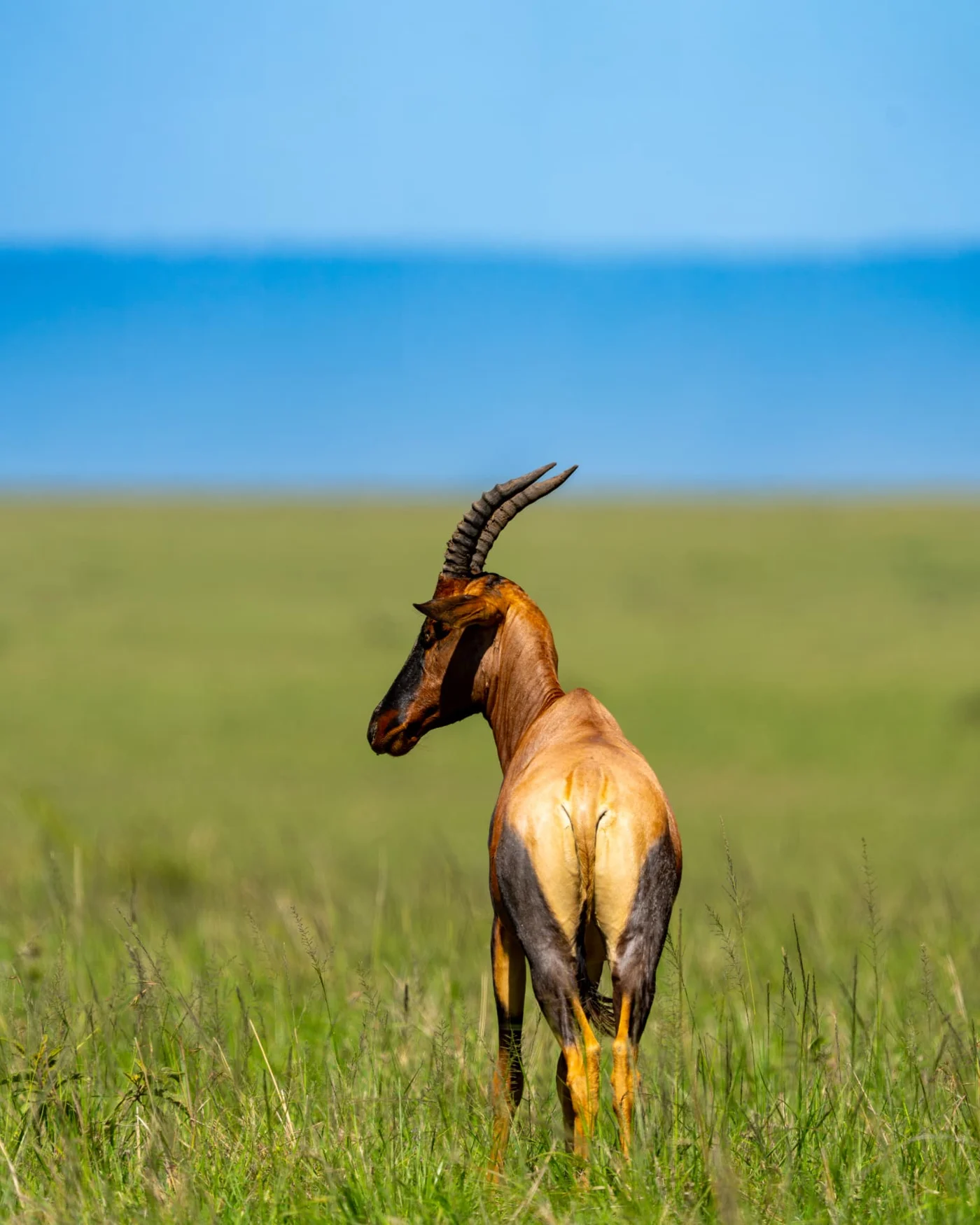
5. The Best Time for a Wildlife Photography Safari in Kenya
Kenya experiences considerable variation in climate because of its geography, altitude and proximity to the Indian Ocean.
The broad seasonal pattern includes the long rains, typically around March to May, and the shorter rains, commonly around October to December. These periods vary between regions and years.
The Kenya Wildlife Service's climate guidance explains that Kenya's protected areas experience different climatic conditions and that many offer attractions throughout the year.
January and February: Dry-Season Photography
These months can provide useful conditions for photographing resident wildlife, particularly in open savannah habitats.
In some regions, vegetation may be shorter, helping with visibility. The warm colours of the landscape can also create attractive photographic backgrounds.
However, conditions differ between destinations. Not every area becomes uniformly dry, and animal encounters depend on natural movements.
March to May: Green Landscapes and Dramatic Skies
The long-rains period can make parts of Kenya particularly beautiful for landscape-led wildlife photography.
Fresh grass, changing clouds, wet surfaces and softer atmospheric light can produce images that look different from the familiar golden savannah.
The trade-off is that rain can affect road conditions and visibility. Four-wheel-drive vehicles and flexible travel plans may be particularly important.
June to October: A Major Safari Period
These months are associated with a major wildlife tourism season in several Kenyan destinations.
The Maasai Mara is particularly famous during the Great Migration period, while Amboseli and other reserves continue to offer opportunities for resident wildlife photography.
The busiest period can bring greater competition for accommodation and popular wildlife sightings. Booking ahead is advisable for sought-after destinations and specialised photographic arrangements.
November and December: Short Rains and Changing Wildlife Conditions
The short-rains period can bring fresh vegetation and changing colours to different landscapes.
This can be particularly appealing to photographers who enjoy green-season compositions and bird photography. The timing and intensity of rainfall vary, so road conditions and wildlife activity should be checked locally.
What about the Great Migration?
The Great Migration is not a fixed event with a guaranteed date.
Wildebeest and zebra move through the wider Serengeti–Mara ecosystem in response to changing rainfall and grazing conditions. Large herds may be present in the Maasai Mara during parts of July to October, but the timing varies between years.
River crossings are unpredictable. Animals can wait, move along the river or cross at a different location.
If migration photography is your priority, allow sufficient time and choose accommodation based on the areas you want to explore. Do not build an itinerary around a promise of a crossing on a specific day.
6. A Month-by-Month Planning Guide
The following table gives broad planning guidance, not guarantees of weather or wildlife encounters.
| Period | Photographic opportunities to consider | Planning notes |
|---|---|---|
| January–February | Resident wildlife, elephants, big cats and open landscapes in suitable regions | Often a useful period for dry-season photography |
| March | Changing vegetation, dramatic skies and resident wildlife | Conditions vary as the rains develop |
| April–May | Green landscapes, forest photography and atmospheric scenes | Rain can affect roads and transfers |
| June | Transition towards the drier period; varied wildlife photography | Confirm conditions and camp opening arrangements |
| July–August | Migration-associated photography in the Mara; broader dry-season safari opportunities | High demand at popular locations |
| September–October | Potential migration and river-crossing photography; resident wildlife elsewhere | Wildlife movements and crossing locations remain unpredictable |
| November | Changing landscapes, birds and resident wildlife | Short rains may affect visibility and access |
| December | Green landscapes and a varied wildlife experience | Conditions depend on rainfall and destination |
For the best result, plan by region rather than applying one seasonal forecast to the whole country.
7. How Many Days Do You Need for a Kenya Wildlife Photography Safari?
The ideal duration depends on your photographic interests, travel budget and the number of regions you want to explore.
A short itinerary can provide a useful introduction, but photographers benefit from having time to work with changing light and observe wildlife behaviour.
Five to seven days: A focused safari
This works best when you prioritise one main region, such as the Maasai Mara, or combine two nearby destinations.
Allow enough nights to have multiple game drives rather than spending most of the trip travelling.
Eight to ten days: Two or three ecosystems
This is a practical duration for combining a major savannah destination with another region that offers different species or habitats.
For example, a photographer could combine the Maasai Mara with Laikipia or Samburu, using domestic flights where appropriate to reduce long road transfers.
Eleven to fourteen days: A more varied photography expedition
A longer itinerary can combine several major destinations and include more specialist wildlife locations.
For instance, a journey could explore Amboseli and Tsavo before moving to a different region for rhinos, northern Kenyan wildlife or the Mara.
Longer trips also allow room for bird photography, image review, rest and changes to the plan when weather or travel conditions require flexibility.
The key principle is simple: do not confuse the number of parks visited with the quality of the photography experience. Spending enough time in a well-chosen region is often more rewarding than rushing through a long checklist.
8. Sample Kenya Wildlife Photography Safari Itineraries
These are planning templates, not fixed packages. Travel times, road conditions, flight schedules and accommodation arrangements must be checked before booking.
Route A: Classic Kenya Wildlife Photography — 7 to 8 Days
Best for: First-time safari travellers and photographers focused on major savannah wildlife.
Possible route:
- Nairobi: arrival and, if time permits, a visit to Nairobi National Park.
- Lake Nakuru: rhinos, waterbirds and Rift Valley scenery.
- Maasai Mara: multiple game drives focused on predators, resident wildlife and environmental portraits.
- Return to Nairobi.
This route introduces several different habitats while keeping the Mara as the main destination.
Route B: Northern Kenya Wildlife and Big Cats — 10 to 12 Days
Best for: Photographers interested in rare northern species and a broader conservation story.
Possible route:
- Samburu, Buffalo Springs or Shaba: northern wildlife and riverine landscapes.
- Laikipia, including Ol Pejeta or Lewa-Borana, according to availability: rhinos, Grevy's zebra and conservation experiences.
- Maasai Mara: big cats, savannah wildlife and, seasonally, migration herds.
- Nairobi: return and departure.
Because this route covers separate regions, domestic flights or carefully planned transfers can be useful.
Route C: Elephants, Volcanic Landscapes and the Southern Circuit — 8 to 10 Days
Best for: Landscape-led wildlife photography and elephant enthusiasts.
Possible route:
- Amboseli: elephant photography and the Kilimanjaro landscape.
- Tsavo West: Mzima Springs, volcanic scenery and forest habitats.
- Tsavo East: broad open landscapes, riverine wildlife and red elephants.
- Optional nearby conservancy extension where logistics and availability make sense.
This route focuses on southern Kenya rather than trying to add distant parks simply to increase the number of destinations.
Route D: Kenya Bird and Forest Photography — 10 to 14 Days
Best for: Specialist bird photographers and travellers interested in rarer habitats.
Possible route:
- Rift Valley lakes, including Lake Nakuru and Lake Elementaita.
- Kakamega Forest: tropical forest birds and primates.
- Saiwa Swamp: sitatunga and wetland species.
- Northern Kenya or a coastal forest extension, depending on priority species and available time.
This route requires more detailed planning than a traditional game-drive itinerary. Local guides and realistic travel arrangements are especially important.
9. Choosing Between National Parks, Reserves and Conservancies
Kenya uses several types of protected areas, and the difference can affect a photography safari.
National parks and national reserves
These areas have their own management authorities and rules.
In Kenya Wildlife Service-managed parks, standard visitor regulations generally cover entry times, permitted roads, vehicle behaviour, wildlife distances and activities allowed inside the park.
The Maasai Mara National Reserve is different from a standard KWS-managed national park because its entry fees and reserve management are administered separately, with arrangements that vary between the main reserve and the Mara Triangle.
Community and private conservancies
Conservancies operate under their own management systems and conservation arrangements.
Some allow activities that are not generally available in a national park, such as guided walking safaris or night drives, subject to the relevant permissions.
For photographers, these areas can provide distinctive opportunities, but they are not automatically better than public reserves.
Ask about:
- The exact location of the accommodation.
- The rules governing the area.
- The number of vehicles permitted at sightings.
- Whether night drives or walking activities are included.
- The rules on off-road driving.
- Park or conservancy fees and whether they are included in the quote.
The objective is to choose the area that supports your photographic priorities while respecting conservation requirements.
10. Camera Gear for a Kenyan Wildlife Photography Safari
You do not need every piece of camera equipment to enjoy a wildlife safari, but a considered kit makes it easier to respond when animals behave unexpectedly.
Camera bodies
Choose a camera with reliable autofocus, good high-ISO performance and comfortable handling.
A second body can be useful for switching quickly between a telephoto lens and a wide-angle or standard zoom, although it is not essential for every photographer.
Telephoto lenses
A lens in the approximate 100–400mm or 200–600mm range can be versatile, depending on your camera system.
Longer focal lengths are useful for distant wildlife. A shorter zoom can be more practical when animals approach the vehicle or when a wider composition is needed.
Standard and wide-angle lenses
A 24–70mm or similar standard zoom can be useful for environmental portraits and landscape photography.
A wide-angle lens can help tell the story of the habitat, especially in Amboseli, Tsavo, the Mara's expansive plains and the volcanic landscapes of Chyulu Hills.
Equipment for bird and forest photography
Specialist bird photography often benefits from longer focal lengths, fast autofocus and equipment that performs well in low light.
Forest environments such as Kakamega and Arabuko-Sokoke can require higher ISO settings because light is filtered through vegetation.
Practical accessories
Pack:
- Spare batteries and memory cards.
- Lens cloths and cleaning supplies.
- Dust protection and a suitable camera bag.
- Rain protection where appropriate.
- A beanbag or permitted lens support for vehicle photography.
- A backup drive or other secure storage.
- Binoculars for scanning the landscape.
- A lightweight headlamp and suitable personal essentials.
A lens support should never interfere with another passenger, block an exit or compromise vehicle safety.
11. Camera Settings and Field Techniques
A photography safari is unpredictable, so learning to adapt matters more than memorising fixed settings.
Moving animals
Continuous autofocus or subject tracking can help maintain focus as animals move. A shutter speed around 1/1000 second is a useful starting point for many moving mammals, although running animals may require faster speeds.
Birds in flight
Bird photography often requires much faster shutter speeds, depending on wing movement and the image you want. Keep an eye on focus acquisition, exposure and the bird's direction of movement.
Low light
Early mornings and late afternoons can provide beautiful light, but exposure becomes more challenging.
Use a wider aperture when needed and raise ISO rather than accepting avoidable motion blur. Modern cameras can often produce useful images at higher ISO values, especially when exposure and editing are handled carefully.
Environmental portraits
Not every wildlife image needs to fill the frame.
Leaving space around an animal can communicate the scale of the landscape, its habitat and the way it moves through the environment.
Behaviour and storytelling
Observe what an animal is doing before deciding how to photograph it.
A portrait, an interaction, a movement sequence and a wide landscape frame can contribute different parts of a larger photographic story.
Review your images
Between game drives, review focus, exposure, composition and unwanted backgrounds. Small adjustments can help you make better use of the next opportunity.
12. What Makes a Good Wildlife Photography Guide?
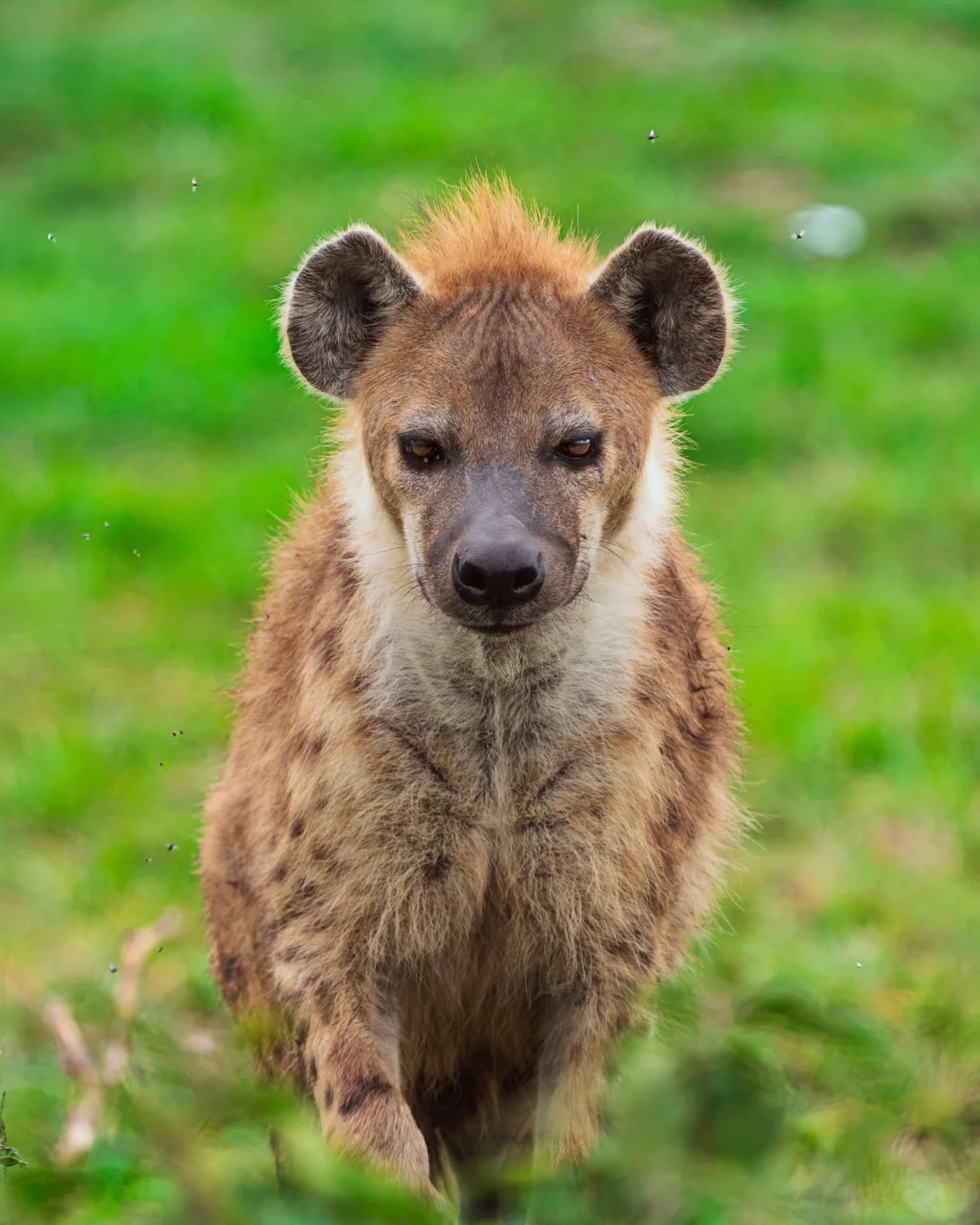
A good safari guide is not simply someone who knows where animals were seen earlier in the day.
For photography, the ability to interpret behaviour, understand habitats and make thoughtful decisions about light and positioning can be especially valuable.
When choosing a photography safari, ask about:
Field experience: Does the guide understand the species, landscape and wildlife behaviour relevant to your destination?
Photography knowledge: Can they help with positioning, light, background selection and the practicalities of photographing from a vehicle?
Patience: Will the itinerary allow time to observe wildlife rather than moving immediately from one sighting to another?
Vehicle arrangements: Is there sufficient space for camera equipment and comfortable shooting positions?
Group size: Will the number of participants allow everyone a reasonable opportunity to photograph wildlife?
Ethics: Does the guide respect vehicle limits, viewing distances and the rules of the reserve?
A photography mentor and a naturalist guide may have different specialities. The best arrangement is one in which wildlife knowledge, responsible guiding and photographic learning work together.
13. Safari Vehicles: Why the Details Matter
The vehicle can influence your photography as much as the camera.
Many safaris use four-wheel-drive vehicles, often with an open roof hatch. Some itineraries use smaller vehicles or scheduled shared arrangements.
For photographers, the important questions are practical.
Can you use your lens comfortably? Is there space for a camera bag? Can passengers move without obstructing each other? Is the vehicle suitable for the roads and the number of participants?
A private vehicle can provide greater flexibility, but it does not permit a driver to break park rules or disturb animals to improve photographs.
Before booking, confirm the vehicle type, group size, whether a window or seat is guaranteed and how much luggage is allowed.
This is particularly important if you are travelling with a long telephoto lens, two camera bodies or a dedicated support system.
14. How Much Does a Kenya Wildlife Photography Safari Cost?
The cost of a Kenyan wildlife photography safari varies widely.
The total price depends on the destinations, season, accommodation, transport, group size, park and conservancy fees, number of game drives and photography services included.
Major elements of the budget
| Cost category | What to confirm |
|---|---|
| Accommodation | Number of nights, meal plan, location and room type |
| Safari vehicle | Private or shared, guide, fuel and daily arrangements |
| Park fees | Applicable visitor category, age, park or reserve and season |
| Conservancy fees | Whether the area charges separate fees |
| Transport | Road transfers, domestic flights, airstrip transfers and luggage charges |
| Photography mentoring | Whether instruction and image reviews are included |
| Travel costs | International flights, eTA, insurance and relevant health expenses |
| Additional activities | Walking safaris, boat trips, specialist experiences and other extras |
Park fees: Important pricing differences
Kenya Wildlife Service publishes rates by park and visitor category. Its published park pages have shown standard non-resident adult rates such as US$90 for Amboseli and Lake Nakuru, US$80 for Nairobi National Park and Tsavo East/West, and US$70 for Meru. Rates and promotional arrangements may change, so these should be treated as a reference snapshot rather than a quotation.
The KWS visitor payment portal is the place to check current charges for KWS-managed parks.
The Maasai Mara National Reserve has a separate fee system. A 2026 visitor guidance page reports seasonal non-resident adult rates of US$100 from January to June and US$200 from July to December. These figures are not a guarantee of 2027 prices, and visitors should confirm the current fees for the relevant reserve sector before booking.
How to compare safari quotations
Do not compare only the headline price.
A more expensive package might include private vehicle use, conservation fees, suitable accommodation and photography mentoring. A lower price may exclude those items or rely on different transport and accommodation arrangements.
Ask for written inclusions and exclusions before paying a deposit.
For a tailored itinerary, Savara Trails can help assess destination combinations and safari arrangements according to your interests, travel dates and photography priorities.
15. Travel Requirements for Kenya
Planning the photography is only part of preparing for the trip. International visitors also need to organise entry documents and practical travel arrangements.
Passport and Electronic Travel Authorisation
Kenya's official Electronic Travel Authorisation website explains the application process and exemptions.
Most international visitors must have an approved eTA before beginning their journey, although exemptions apply to certain categories of travellers. The official guidance states that applications are generally processed within three working days but recommends applying at least two weeks before travel to allow for possible delays.
Common application requirements include:
- A valid passport with at least six months of validity and one blank page.
- A suitable photograph.
- Contact information.
- Travel itinerary and accommodation details.
- A payment method, where applicable.
Requirements depend on nationality and circumstances, so check the official website rather than relying on an old travel article.
Flights and baggage
Nairobi is the main gateway for many international itineraries.
Domestic flights can reduce long road transfers, particularly when combining distant wildlife regions. However, light aircraft have luggage restrictions that vary by carrier and route.
Confirm baggage limits before purchasing tickets, especially if your photographic equipment is heavy or packed in hard cases.
Road travel and transfers
Some destinations are suitable for road-based circuits, while others are far apart enough that domestic flights can be more practical.
A carefully designed itinerary should account for transfer time and avoid using so many destinations that very little time remains for photography.
Health preparation
Speak with a qualified travel-health professional before departure.
Malaria prevention, vaccination recommendations and entry requirements can vary according to the areas visited, travel history and personal health circumstances. Kenya's Ministry of Health and the CDC's Kenya malaria guidance provide useful reference information.
The Kenya Ministry of Health states that travellers arriving from countries where yellow fever is endemic must present a valid yellow fever vaccination certificate. Check the current requirements for your route and personal circumstances before travel.
Money, connectivity and charging
Carry suitable payment methods and confirm which expenses are included in your package.
Mobile connectivity varies by location, particularly in remote conservancies. Check with your accommodation about charging facilities, power availability and internet access.
Kenya commonly uses Type G electrical sockets. A suitable adapter and backup charging equipment are useful for photographers.
16. Responsible Wildlife Photography in Kenya
A wildlife photography safari should protect the animals and habitats that make it possible.
The excitement of an exceptional sighting can make it tempting to get closer, stay longer or ask a driver to move into a better position. Responsible photography sometimes means accepting that the photograph you imagined is not possible from the permitted location.
Follow these principles:
Respect wildlife distance. Never approach or provoke animals to improve a photograph.
Follow the rules of the location. Off-road driving, night drives, walking safaris and other activities are subject to different rules in different protected areas.
Avoid crowding. Do not pressure a guide to compete with other vehicles or block an animal's path.
Keep quiet. Noise and sudden movement can disrupt natural behaviour.
Do not feed wildlife. Feeding wild animals changes their behaviour and may increase risks to both animals and people.
Ask before photographing people. Respect local communities, privacy, cultural sensitivities and the choices of the people you encounter.
Be responsible with location sharing. Avoid posting precise, real-time locations of sensitive wildlife when this could increase disturbance.
Do not use drones without proper permission. Protected areas and aviation authorities have specific requirements. Check the relevant authority before planning aerial photography.
If you are planning commercial photography, filming or a staged production, ask the relevant park or conservancy management about the permits required. A visitor ticket should not be assumed to authorise commercial filming.
17. Packing Checklist for a Kenya Photography Safari
Packing depends on the season and destinations, but a practical kit usually includes the following.
Photography equipment
- Camera body and, if useful, a second body.
- Telephoto zoom lens.
- Standard or wide-angle lens.
- Batteries, chargers and memory cards.
- Camera bag and dust protection.
- Lens cloth and cleaning supplies.
- Binoculars.
- Suitable camera support.
- Storage for image backups.
Clothing and personal essentials
- Lightweight, neutral-coloured clothing.
- Long sleeves and trousers for sun and dust protection.
- A warm layer for early mornings and highland evenings.
- Rain protection during the wetter months.
- Comfortable closed shoes for camp and suitable walking activities.
- Sun hat, sunglasses and sunscreen.
- Insect repellent.
- Reusable water bottle and personal medication.
Keep your camera equipment accessible but secure, and avoid bringing so much gear that you struggle to use it comfortably in a safari vehicle.
18. Common Mistakes to Avoid When Planning a Photography Safari
A little planning can prevent the most common problems.
Trying to visit too many parks. Long transfers reduce the time available for photography. Choose a few complementary destinations.
Choosing dates only for the Great Migration. Migration movements vary, and other months can offer excellent photography.
Booking only on price. Accommodation location, guide experience, vehicle space and park fees matter.
Expecting every encounter to be close. Wildlife is unpredictable, and long-lens photography is only one part of the experience.
Taking too much camera equipment. A manageable kit is often more useful than carrying every lens you own.
Ignoring local regulations. Rules differ between parks, reserves and conservancies. Confirm what is permitted before your trip.
Forgetting travel days. A transfer from one region to another may reduce the number of game drives. Build the itinerary around realistic travel times.
Measuring the safari only by sightings. Birds, landscapes, animal behaviour and time spent observing the forest can make the experience rewarding even when a particular species remains hidden.
19. Frequently Asked Questions About Kenya Wildlife Photography Safaris
What is the best wildlife photography safari in Kenya?
The best safari depends on your interests. The Maasai Mara is a leading choice for big cats and the Great Migration, Amboseli for elephants and Kilimanjaro compositions, Samburu for northern species, and Laikipia for rhinos and conservation-focused photography. A specialist birding or forest itinerary may be better for photographers interested in smaller or rarer species.
Which national park in Kenya is best for photography?
There is no single best park for every photographic goal. The Maasai Mara, Amboseli, Samburu, Tsavo East, Tsavo West, Lake Nakuru and Meru all offer distinct opportunities. The best choice depends on the animals, habitats and photographic style you want to explore.
What are Kenya's hidden gems for wildlife photography?
Saiwa Swamp, Ruma National Park, Kakamega Forest, Marsabit National Park, Chyulu Hills, Arabuko-Sokoke Forest and parts of Laikipia are worth considering for photographers looking beyond the most familiar safari circuit. Each has its own access requirements and specialist interests.
When is the best month for a Kenya wildlife photography safari?
June to October is an important safari period in many regions, with July to October particularly associated with the Great Migration in the Mara. January and February can also be rewarding for resident wildlife, while the rainy seasons offer different landscapes and photographic conditions. The best month depends on your destination and interests.
How many days are enough for wildlife photography in Kenya?
Five to seven days can work for a focused safari. Eight to ten days provides more flexibility for combining destinations, while eleven to fourteen days is useful for exploring several ecosystems. Longer trips may be needed for specialist birding or remote regions.
Can I photograph the Big Five in Kenya?
Kenya has destinations where the Big Five—lion, leopard, elephant, rhino and buffalo—occur. However, seeing every species during a particular trip is not guaranteed. Choose destinations and duration based on your interests and allow sufficient time in the field.
Is the Great Migration guaranteed during July and August?
No. Large herds may be present in the Maasai Mara during parts of the period commonly associated with the migration, but timing depends on natural conditions. River crossings are unpredictable and cannot be guaranteed.
Is a private vehicle better for wildlife photography?
A private vehicle can provide more flexibility, equipment space and freedom to compose photographs, depending on the arrangement. It may be particularly useful for a small photography group. All vehicle use remains subject to the regulations of the protected area.
Is Kenya suitable for beginner wildlife photographers?
Yes. Kenya offers a range of destinations and safari styles suitable for beginners, enthusiasts and experienced photographers. The important factors are appropriate equipment, realistic expectations, a supportive guide and enough time to learn from each encounter.
Do I need a long telephoto lens?
A telephoto lens is extremely useful for wildlife photography, but the ideal focal length depends on the setting. A zoom in the 100–400mm or 200–600mm range can be versatile, while a standard or wide-angle lens is useful for landscapes and environmental portraits.
Can I combine wildlife photography with birding in Kenya?
Absolutely. Kenya offers a range of bird-rich ecosystems, including the Rift Valley lakes, Samburu, Kakamega Forest, Saiwa Swamp and Arabuko-Sokoke Forest. A birding-focused itinerary should be planned around habitat, target species and appropriate local guiding.
Are photography workshops available in Kenya?
Photography-focused expeditions and specialist guiding may be available through established safari operators. Before booking, check what is included, the size of the group, the mentor's experience, the number of drives and whether image reviews or technical instruction are part of the itinerary.
How much does a wildlife photography safari in Kenya cost?
There is no single price. Costs depend on accommodation, safari duration, park and conservancy fees, transport, vehicle arrangements and photography support. Ask for a detailed quotation and compare inclusions and exclusions before booking.
20. Plan Your Kenya Wildlife Photography Expedition with Savara Trails
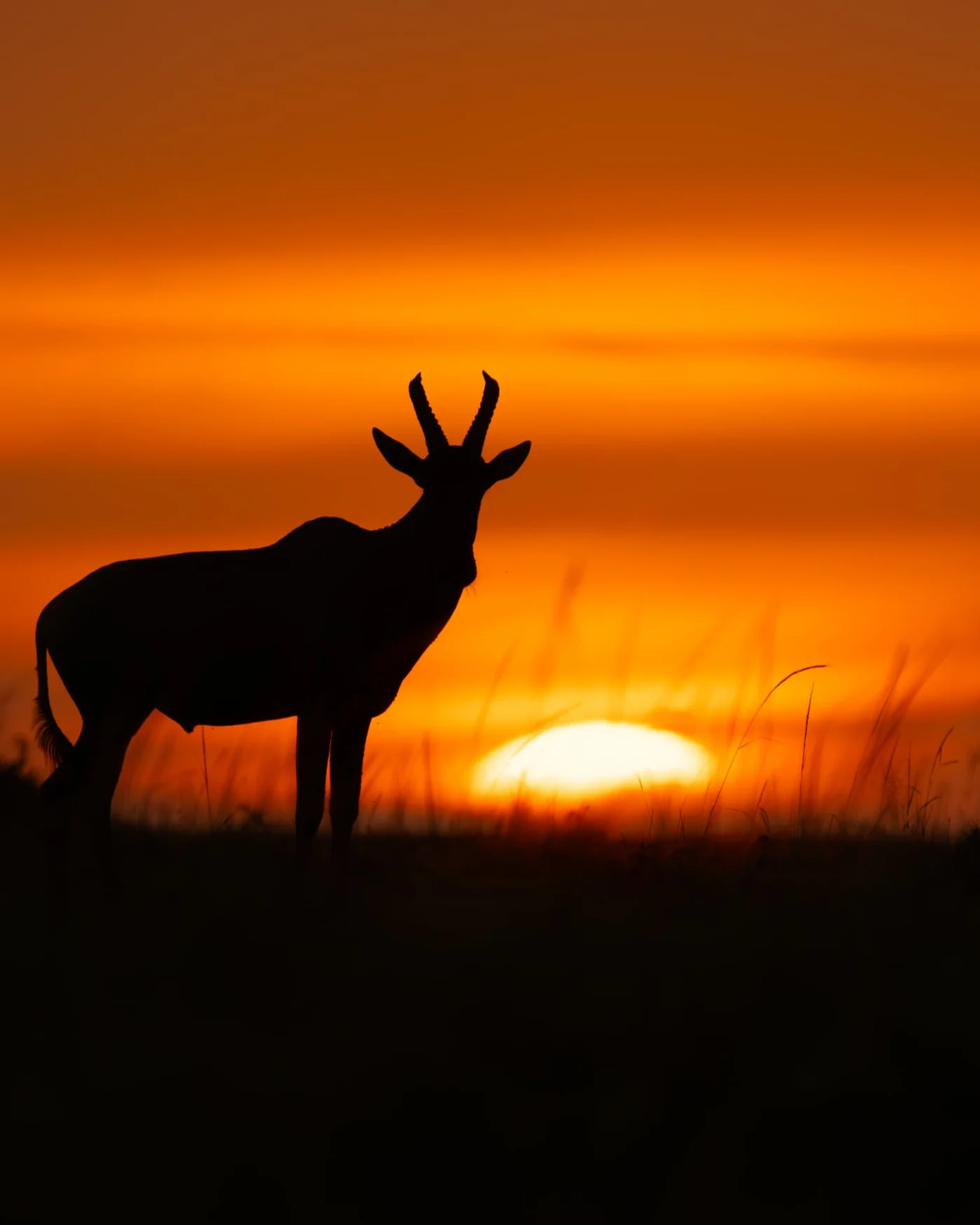
At Savara Trails, we believe the best wildlife experiences are shaped by curiosity, patience and thoughtful planning.
Kenya offers an extraordinary range of photography opportunities, but the right expedition is not necessarily the one that visits the most parks. It is the one that gives you time to explore the landscapes, understand wildlife behaviour and pursue the kind of photography that matters to you.
Some photographers dream of lions and leopards on the Maasai Mara plains. Others are drawn to Amboseli's elephants, Samburu's distinctive wildlife, Laikipia's conservation stories or the rare birds of Kenya's forests and wetlands.
The starting point is understanding what you want to experience.
Savara Trails offers wildlife journeys, photography-focused expeditions and tailored safari planning for travellers who want more than a checklist of sightings.
Our approach places thoughtful itinerary planning, respect for wildlife and the quality of time spent in the field at the centre of the journey.
For photographers seeking a specialist experience, explore our Kenya destination guide and the Wildlife Photography Workshop by Faisal Magnet, currently listed for 22–26 January 2027. Package availability, terms and travel arrangements should always be confirmed directly before booking.
Whether you are planning a focused Maasai Mara photography safari or a wider expedition across Kenya's wildlife destinations, choose the itinerary around your interests, give yourself enough time in the field and leave room for the unexpected.
The most meaningful photographs are often the ones you did not set out to make.
Explore Kenya with Savara Trails. Frame the Wild.
Official planning resources
The following references are useful for checking information before travel. Park fees, access arrangements, seasonal conditions and entry requirements may change.
- Kenya Wildlife Service — Parks directory
- Kenya Wildlife Service — Online payment and park entry
- Kenya Electronic Travel Authorisation
- Kenya Ministry of Health — Traveller information
- Northern Rangelands Trust — Wildlife and conservancies
- Lewa Wildlife Conservancy — Wildlife conservation
- Ol Pejeta Conservancy — Visitor information and rates
- Kenya Forest Service — Arabuko-Sokoke Forest
- Mara Conservancy — Visitor rules
About Savara Trails
Savara Trails is a registered partnership firm in India, co-founded by Rahul and Jayakumari Vijayan. Masai Mara safaris are bookable now; India and Borneo journeys are coming soon.