Wildlife Photography Safaris in India: The Ultimate Guide to Tiger Safaris
By Savara Trails · Published 11 October 2026
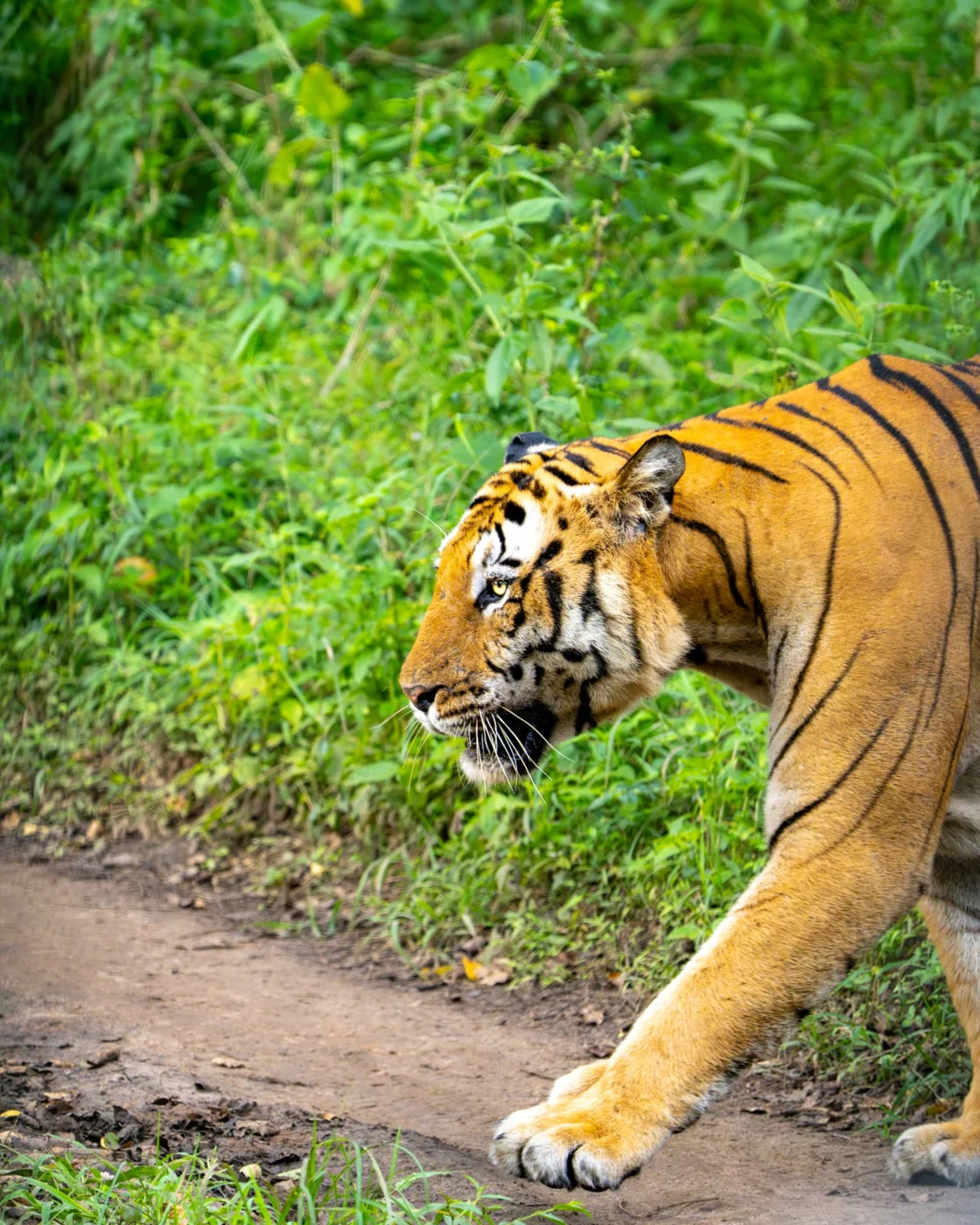
India is one of the most exciting destinations in the world for wildlife photography. From the dense forests of Central India to the rocky landscapes of Rajasthan and the lush forests of the Western Ghats, the country offers remarkable opportunities to photograph tigers, leopards, elephants, birds and other wildlife in their natural habitats.
For photographers, a wildlife safari in India is about more than finding a tiger. It is about understanding animal behaviour, working with natural light, exploring different habitats and capturing the moments that reveal the character of the wild.
A tiger emerging from the forest at first light, a leopard resting on a rocky outcrop or a herd of deer moving through a misty meadow can become an unforgettable photographic experience.
Whether you are planning your first tiger safari or looking for a dedicated wildlife photography expedition, choosing the right destination, season and safari experience can make a significant difference.
In this guide, Savara Trails explores the best tiger reserves in India for wildlife photography, the ideal time to visit, essential camera equipment and how to plan a rewarding wildlife photography safari.
What Is a Wildlife Photography Safari?
A wildlife photography safari is a guided wildlife experience designed to help travellers observe and photograph animals in their natural environment.
Unlike a conventional sightseeing trip, a photography-focused safari places greater emphasis on animal behaviour, natural light, habitat, composition and the time available for observation.
In India, most tiger safaris take place in authorised safari vehicles accompanied by a driver and a forest guide or naturalist. Visitors travel along designated routes within permitted areas of national parks and tiger reserves.
Wild animals move freely through their habitats, and sightings cannot be guaranteed. A successful photography safari therefore depends on patience, preparation and an understanding of the natural environment.
For photographers, the experience can include much more than tigers. Deer, elephants, wild dogs, leopards, birds of prey, owls and many other species may provide equally rewarding opportunities.
Why Choose India for Wildlife Photography?
India offers a distinctive combination of biodiversity, varied landscapes and established wildlife tourism destinations.
The country is home to the Bengal tiger and supports important populations of other mammals and birds across its protected forests, grasslands, wetlands and mountain habitats.
Several factors make India particularly attractive for wildlife photographers.
Diverse wildlife habitats: From the deciduous forests of Madhya Pradesh to the dry woodlands of Rajasthan and the tropical forests of southern India, different regions offer contrasting photographic environments.
Opportunities for tiger photography: India's tiger reserves provide opportunities to observe and photograph wild Bengal tigers, although sightings depend on natural conditions and cannot be promised.
Rich biodiversity: Elephants, leopards, sloth bears, wild dogs, deer, reptiles and numerous bird species add depth to a wildlife photography itinerary.
Seasonal photographic opportunities: Changes in vegetation, light, weather and water availability create different photographic conditions throughout the year.
A variety of safari experiences: Travellers can choose between tiger-focused trips, broader wildlife expeditions, bird photography journeys and longer itineraries combining multiple reserves.
For those who want to understand wildlife through photography, India offers an opportunity to explore not only individual animals but also the ecosystems in which they live.
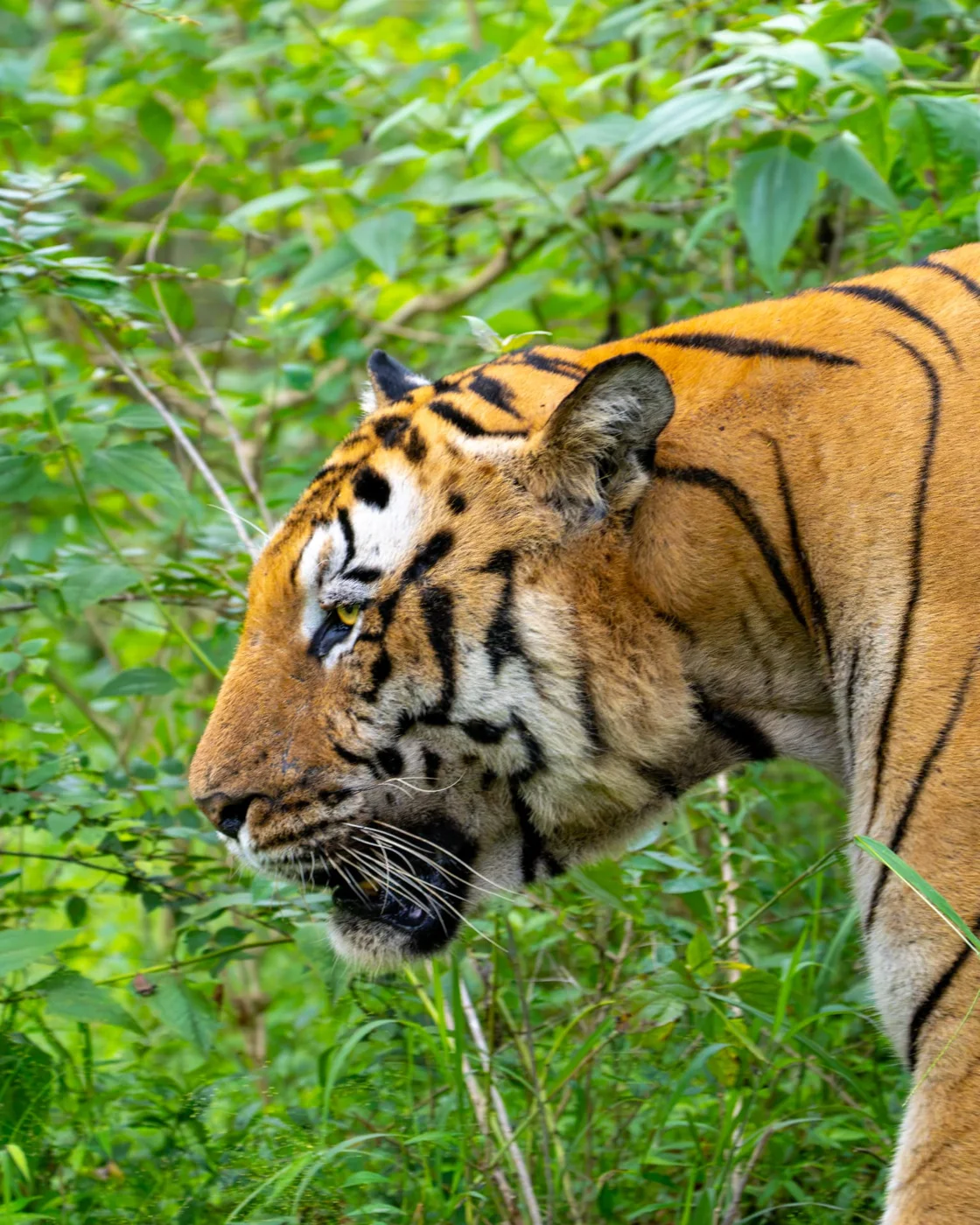
Best Tiger Reserves in India for Wildlife Photography
India has numerous tiger reserves, but the best destination depends on your photographic interests, travel dates, preferred habitats and the amount of time you can spend on safari.
The following reserves are among the key destinations to consider when planning a tiger photography safari in India.
1. Bandhavgarh National Park, Madhya Pradesh
Bandhavgarh is one of India's best-known tiger safari destinations. Its landscape includes deciduous forest, bamboo thickets, open grassland patches and rocky hills.
For wildlife photographers, the reserve offers opportunities to photograph tigers within varied natural surroundings. Depending on the location and conditions, a tiger may appear along a forest track, move through open vegetation or rest in the shade.
Bandhavgarh is often considered by travellers planning a tiger-focused photography expedition. However, sightings vary, and the reserve should not be approached with the expectation that a particular encounter is guaranteed.
The surrounding region also offers opportunities to observe other mammals and birds, making multiple safari drives valuable even when tigers remain out of sight.
Best suited for: Tiger-focused wildlife photography, forest portraits and photographers who want to dedicate several safari drives to exploring tiger habitat.
2. Kanha National Park, Madhya Pradesh
Kanha is recognised for its expansive meadows, sal forests, bamboo-rich woodland and diverse wildlife.
Its varied landscapes make it particularly interesting for photographers who want to capture animals within their natural surroundings rather than concentrate exclusively on close-up portraits.
The open meadows can provide opportunities for environmental wildlife photography, while forested areas create more intimate compositions with light filtering through the trees.
Kanha is also important for the conservation of the hard-ground barasingha, or swamp deer, adding another significant subject for wildlife photographers.
Best suited for: Environmental portraits, landscape-led wildlife photography, deer photography and a broader forest experience alongside the possibility of tiger encounters.
3. Pench National Park, Madhya Pradesh and Maharashtra
Pench is known for its teak-dominated deciduous forests, open woodland and riverine habitats.
The reserve offers a varied photographic environment where animal behaviour and the surrounding landscape can become equally important elements of an image.
Tigers, spotted deer, langurs and numerous bird species contribute to the wildlife experience. Photographers may find opportunities to capture animals moving through woodland, feeding in open areas or interacting with their surroundings.
Pench is associated with the landscape that inspired aspects of Rudyard Kipling's The Jungle Book, although the fictional setting should not be confused with the boundaries or ecology of the modern protected area.
Pench has separate management and safari arrangements on its Madhya Pradesh and Maharashtra sides, so travellers should confirm the appropriate entry points and permits before booking.
Best suited for: Forest wildlife photography, animal behaviour, natural compositions and photographers interested in a varied safari experience.
4. Tadoba-Andhari Tiger Reserve, Maharashtra
Tadoba-Andhari is a prominent tiger reserve in Maharashtra and an important destination for travellers planning a tiger-focused safari.
Its dry deciduous forests, bamboo vegetation, open patches and water bodies create a distinctive landscape, particularly during the drier months.
For photographers, the changing forest conditions can create opportunities to work with warm colours, shadows, open sightlines and contrasting textures.
The reserve is also home to other mammals and birds, making it worthwhile to approach each safari as an opportunity to explore the ecosystem rather than focus on a single species.
When planning a visit, confirm the available safari areas, entry gates and accommodation arrangements for the intended dates.
Best suited for: Tiger photography, dry forest landscapes and photographers interested in spending multiple drives exploring a tiger reserve.
5. Ranthambore National Park, Rajasthan
Ranthambore offers one of the most distinctive settings for tiger photography in India.
Its landscape combines dry deciduous woodland, rocky hills, lakes and historic ruins, including the wider setting of Ranthambore Fort.
This combination creates opportunities for photographs that communicate a strong sense of place. A tiger moving beside a lake or appearing against rocky terrain can produce a very different image from a tiger photographed in dense woodland.
The landscape also offers opportunities to photograph deer, crocodiles, birds and other wildlife.
Ranthambore is a popular destination, so advance planning is advisable, particularly during busy travel periods. Safari zones, permits and entry arrangements should be confirmed before finalising an itinerary.
Best suited for: Tiger portraits, environmental wildlife photography, rocky landscapes and photographers looking for a distinctive visual setting.
6. Jim Corbett National Park, Uttarakhand
Jim Corbett National Park is one of India's most established protected areas and an important part of the country's tiger conservation history.
Located in the Himalayan foothills, the wider Corbett landscape includes sal forests, grasslands, riverine habitats and varied terrain.
The region supports tigers, elephants, deer and a rich variety of birdlife. These habitats provide opportunities for photographers interested in the broader forest ecosystem, rather than tiger photography alone.
Safari access and the wildlife experience vary between tourism zones, and not all areas offer the same opportunities. Visitors should choose their safari arrangements according to their interests and the current regulations.
Best suited for: Forest photography, birdlife, elephants, varied habitats and a broader Himalayan foothill wildlife experience.
7. Nagarhole National Park, Karnataka
Nagarhole National Park, also known as Rajiv Gandhi National Park, forms part of the important Nilgiri landscape of southern India.
Its forests, bamboo thickets, streams and water bodies support elephants, deer, predators and numerous bird species.
The photographic experience can differ considerably from that of more open tiger reserves in Central India. Dense vegetation, shaded forest tracks and changing light often require photographers to pay close attention to exposure, focus and composition.
Nagarhole is a compelling option for those interested in photographing the wider forest ecosystem, including mammals and birds, alongside the possibility of encountering tigers.
Best suited for: Southern Indian forest wildlife, elephants, birds and photographers interested in a rich, forest-based safari experience.
8. Bandipur National Park, Karnataka
Bandipur is part of the Nilgiri Biosphere Reserve landscape and forms an important link in a wider network of protected forests in southern India.
The region supports elephants, gaur, deer, predators and a wide variety of birds.
For photographers, Bandipur offers opportunities to explore the relationships between animals and their surroundings. Herd behaviour, changing light, forest textures and the details of animal movement can all contribute to a rewarding photographic experience.
Travellers planning a longer southern Indian wildlife itinerary may consider Bandipur alongside Nagarhole, depending on current safari availability and travel logistics.
Best suited for: Elephant photography, forest wildlife, birds and travellers seeking a broader southern Indian wildlife expedition.
9. Panna Tiger Reserve, Madhya Pradesh
Panna offers a distinctive landscape shaped by the Ken River, rocky terrain, woodland and open areas.
Compared with some densely forested tiger reserves, its landscape can provide opportunities for environmental photographs in which the terrain and surrounding habitat play a prominent role.
The wider region also offers access to Khajuraho's historic temples, making Panna an interesting choice for travellers who want to combine wildlife photography with cultural exploration.
As with other tiger reserves, the experience depends on the season, permits, wildlife movements and the time available for safari.
Best suited for: River landscapes, environmental wildlife portraits and combined wildlife and cultural itineraries.
Which Is the Best Tiger Safari in India for Photography?
There is no single best tiger safari for every photographer. The right choice depends on the type of images you want to create and the overall experience you are looking for.
- For a tiger-focused expedition: Consider Bandhavgarh or Tadoba-Andhari, while evaluating current conditions and permit availability.
- For forest and meadow compositions: Kanha and Pench offer varied landscapes.
- For dramatic backgrounds: Ranthambore and Panna provide distinctive rocky and historical settings.
- For broader wildlife photography: Nagarhole, Bandipur and Corbett offer diverse habitats and opportunities to photograph other species.
- For a multi-reserve expedition: Consider combining two destinations with compatible travel logistics rather than rushing between many parks.
Recent sightings can inform planning, but they should not be treated as reliable predictions. The best safari is one that aligns with your interests, provides sufficient time in the forest and respects the natural unpredictability of wildlife.
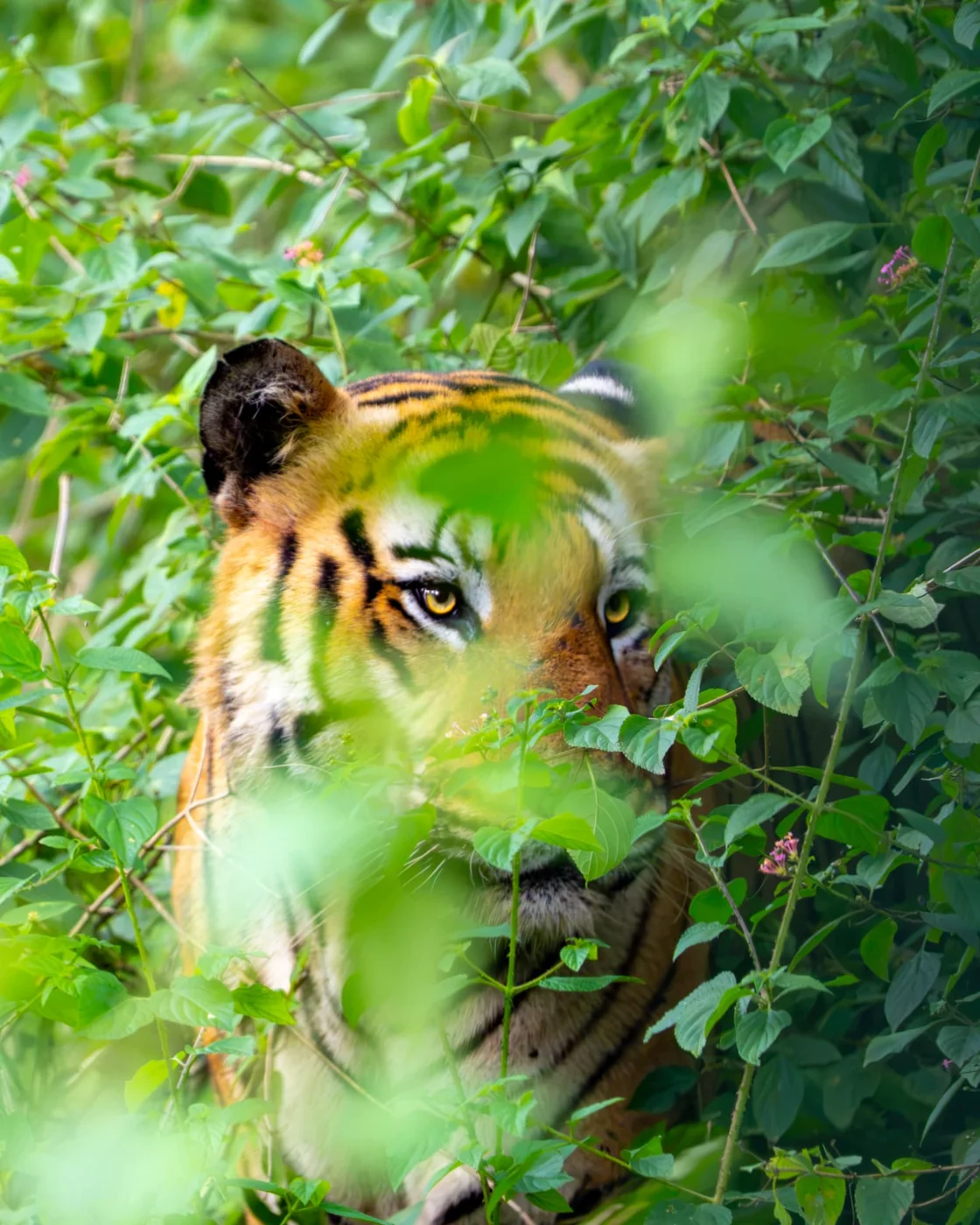
Best Time for Tiger Safari in India
The best time for tiger photography in India depends on the reserve, local weather, vegetation and safari access.
In many popular central Indian reserves, the main tourism season extends broadly from autumn into early summer. Exact opening and closing dates differ between parks and tourism zones.
October to February: Green Forests and Comfortable Weather
The months following the monsoon can bring greener landscapes, fresh vegetation and comfortable temperatures for spending long periods outdoors.
This period can be attractive for photographers who want to capture wildlife in lush surroundings and work with atmospheric forest light.
However, thicker vegetation may make animals more difficult to see in some locations.
March to April: Drying Forests and Changing Light
As the dry season progresses, vegetation may become less dense in parts of the forest.
These changing conditions can create opportunities for wildlife photography, including images that show animals more clearly against their surroundings.
The light becomes stronger and temperatures rise, so early morning safaris and careful exposure management become increasingly important.
April to June: Hot Conditions and Dry-Season Photography
The late dry season can be appealing to some photographers because reduced foliage may improve visibility in certain habitats.
Water sources may become important gathering places for wildlife, although they never guarantee a tiger encounter.
Temperatures can become extremely high, so travellers should consider their comfort, hydration, protective clothing and the conditions expected at their chosen destination.
July to September: Monsoon and Seasonal Closures
Monsoon weather changes the appearance and accessibility of many Indian forests. Core tourism zones in numerous tiger reserves close for all or part of this period, although arrangements differ between parks and buffer areas.
Always check the official opening calendar and booking rules for the exact reserve and travel dates before making plans.
The best time for a tiger safari is the period that balances your photographic interests, weather preferences and the actual availability of safari permits. No month guarantees sightings, and different seasons can produce very different photographic results.
How Many Safaris Should You Book?
The number of safaris you should book depends on your available time, budget, destination and photography goals.
A single safari may provide an exciting introduction to the forest, but it offers limited opportunities to explore different routes and changing conditions.
Multiple drives allow you to become familiar with the landscape, observe different species and work with different lighting situations.
For a dedicated tiger photography trip, planning several safari drives over multiple days is generally more flexible than relying on one outing. A longer itinerary can also reduce the pressure to obtain a specific photograph during a single encounter.
When deciding how long to stay, consider travel time, safari availability, the size of the reserve and whether you want to photograph other wildlife in addition to tigers.
Essential Camera Equipment for a Tiger Photography Safari
Wildlife photography requires equipment that can respond quickly to unpredictable animal movement and changing light.
The ideal kit depends on your camera system and photography style, but the following equipment is useful for many Indian safaris.
Camera Body
Choose a camera with reliable autofocus, good high-ISO performance and comfortable handling.
A second body can be useful for photographers who want to switch quickly between lenses, although it is not essential for every traveller.
Telephoto Lens
A telephoto zoom is often the primary lens for tiger photography.
Lenses in ranges such as 100–400mm or 200–600mm can be versatile, depending on the camera system and sensor size.
Longer focal lengths help when animals are distant, while shorter focal lengths may be more useful when a tiger is close to the vehicle or when you want to include more of the landscape.
Standard Zoom or Wide-Angle Lens
A standard zoom or wide-angle lens is useful for environmental wildlife portraits, landscapes, forest scenes and situations where a telephoto lens is too restrictive.
Batteries and Memory Cards
Carry sufficient batteries and memory cards for long safari sessions. A backup system is useful when travelling for several days.
Camera Protection
Dust protection, a lens cloth, a suitable camera bag and a rain cover can help protect equipment in changing conditions.
A beanbag may provide useful support for a heavy lens on a safari vehicle when permitted and safely positioned.
Recommended Starting Camera Settings
- Autofocus: Continuous autofocus or subject tracking for moving wildlife.
- Shutter speed: Around 1/1000 second or faster for many moving subjects; faster speeds may be needed for running animals and birds in flight.
- Aperture: Use a wide aperture in low light, or stop down when greater depth of field is important and sufficient light is available.
- ISO: Increase ISO when necessary to maintain a suitable shutter speed.
- Drive mode: Continuous shooting can help capture movement, but should be used thoughtfully.
- Image format: RAW provides greater flexibility when editing exposure, white balance and detail.
These settings are starting points rather than fixed rules. The best exposure depends on the light, the animal's movement, the lens and the photograph you want to create.
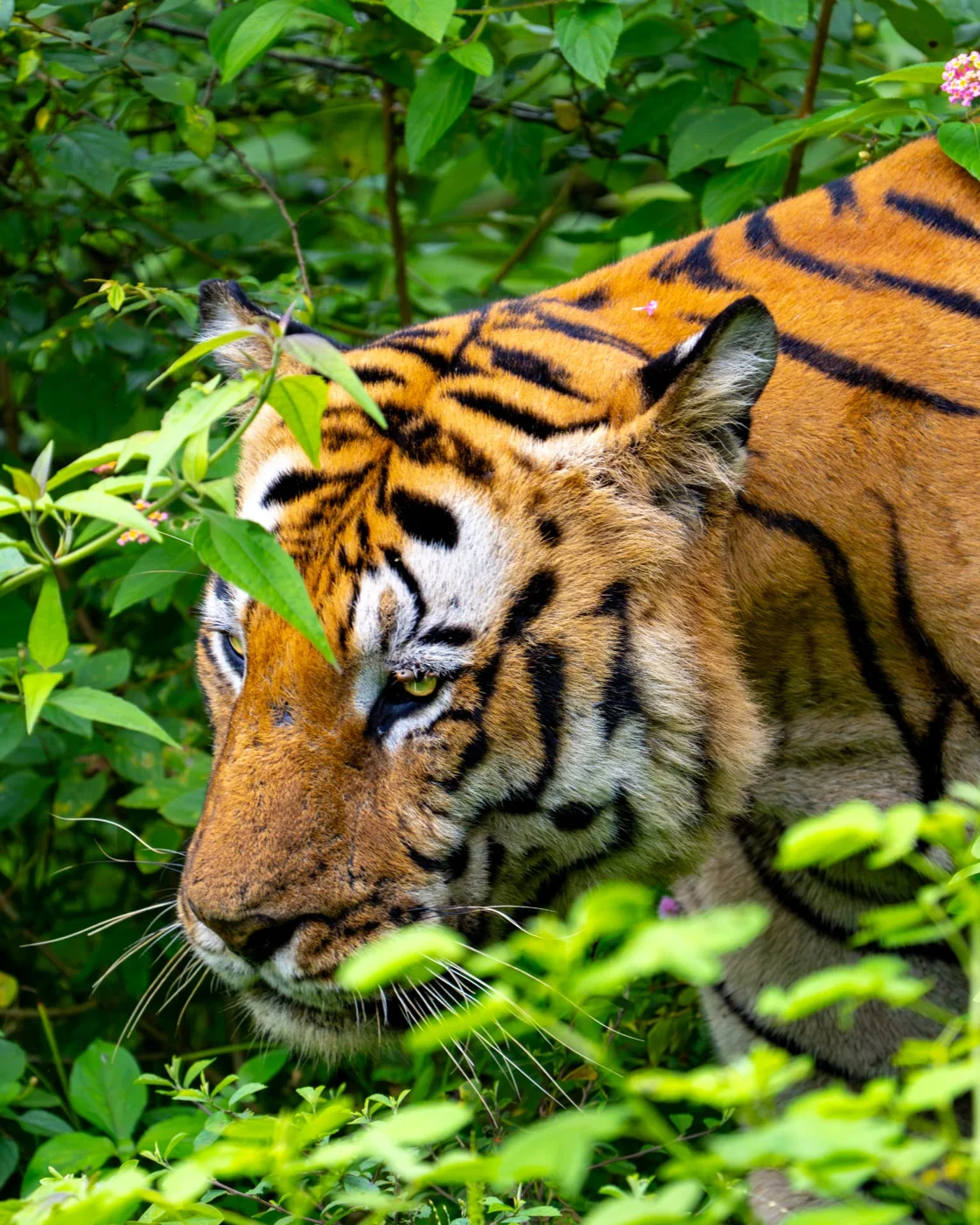
Ethical Wildlife Photography and Responsible Tiger Safaris
Responsible wildlife photography places animal welfare and conservation above the desire to obtain a photograph.
India's protected areas are managed primarily for conservation. Tourism must operate within the applicable regulations and should not interfere with the natural behaviour of wildlife.
Responsible photographers should:
- Follow the instructions of forest staff, guides and authorised safari operators.
- Never feed, provoke, call or deliberately disturb wild animals.
- Remain within permitted safari routes and follow vehicle restrictions.
- Avoid pressuring drivers to compete with other vehicles or block an animal's path.
- Respect distance requirements and avoid actions that cause unnecessary stress to wildlife.
- Follow waste-management rules and leave no litter behind.
- Avoid sharing sensitive wildlife locations when doing so could increase disturbance or exploitation.
A photograph is not worth compromising the welfare of an animal.
The most rewarding wildlife experiences are those in which the photographer observes the forest respectfully and accepts that animals decide when and where they appear.
Why Tiger Sightings Cannot Be Guaranteed
One of the most important things to understand before booking a tiger safari in India is that no ethical operator can guarantee a wild tiger sighting.
Tigers move through large territories, rest for long periods and use vegetation to remain hidden. Their activity varies with temperature, weather, prey movements and other natural conditions.
Even in a reserve known for tigers, a safari may produce no sighting. On another day, an unexpected encounter may become the highlight of an entire expedition.
Experienced guides may interpret tracks, alarm calls and other signs of wildlife activity, but these clues cannot guarantee that an animal will appear.
This uncertainty is part of the experience of observing wildlife in its natural habitat.
A well-planned safari should therefore offer more than the promise of a tiger photograph. It should provide time to explore the forest, understand its ecology and appreciate the other species that share the landscape.
How to Plan a Wildlife Photography Tour in India
Planning a successful wildlife photography expedition starts with understanding your priorities.
1. Choose your photographic objective. Decide whether your main interest is tiger photography, birds, elephants, landscapes or a broader wildlife experience.
2. Select the right reserve. Compare habitats, travel logistics, season and safari arrangements before choosing a destination.
3. Book permits early. Popular parks can have limited safari capacity. Check the applicable official booking systems and rules for your intended dates.
4. Allow enough time. Multiple safari drives over several days provide more opportunities to explore the forest and adapt to changing conditions.
5. Choose accommodation carefully. Consider the distance between your lodge and the safari entry gate, as well as transport arrangements and meal timings.
6. Prepare your camera equipment. Check batteries, memory cards, lenses and camera settings before travelling.
7. Keep expectations realistic. Plan for the overall wildlife experience rather than relying entirely on a single tiger sighting.
8. Follow local regulations. Safari zones, operating hours, vehicle arrangements and access conditions can change. Verify the latest information before departure.
For photographers, a thoughtfully planned itinerary can be more valuable than attempting to visit as many reserves as possible in a short period.
Beyond Tigers: Discover India's Wider Wildlife
Although tigers attract much of the attention, India's forests offer countless other subjects for wildlife photography.
Elephants moving through woodland, spotted deer grazing in meadows, langurs feeding in trees and birds of prey watching from elevated branches can all produce compelling photographs.
Depending on the destination, photographers may also encounter leopards, sloth bears, wild dogs, gaur, crocodiles and a remarkable variety of birds.
There is also value in photographing the forest itself. Patterns of light, textures of bark, tracks in the soil and the relationship between animals and their surroundings help tell a broader ecological story.
Learning to appreciate these details can transform a safari from a search for one species into a deeper exploration of the natural world.
Wildlife Photography Expeditions with Savara Trails
At Savara Trails, we believe a wildlife photography expedition should be shaped around the experience a traveller hopes to have in the forest.
Choosing a destination is only the beginning. Season, habitat, safari arrangements, available time and photographic interests all contribute to how an expedition should be planned.
Whether your goal is to photograph Bengal tigers, explore India's diverse forest ecosystems or combine big-cat photography with birds and other wildlife, thoughtful preparation can help make the journey more rewarding.
Our approach focuses on considered travel planning, respect for wildlife and an appreciation of the landscapes we visit.
Where available and appropriate, photography-focused guidance and small-group arrangements can offer additional opportunities for observation and learning. All activities remain subject to the regulations of the relevant reserve and the availability of permits.
Wildlife sightings are never guaranteed. The aim is to create an opportunity to experience the forest with patience, understanding and respect.
If you are planning a wildlife photography safari in India, explore the destinations and wildlife journeys available through Savara Trails to find an experience suited to your interests.
Frequently Asked Questions About Wildlife Photography Safaris in India
Which is the best place for tiger photography in India?
Bandhavgarh, Kanha, Tadoba-Andhari, Pench and Ranthambore are among the well-known destinations for tiger photography. The best choice depends on the season, landscape, safari availability and the type of photographs you want to create.
What is the best month for a tiger safari in India?
The best month depends on the reserve and your photographic priorities. Many popular central Indian reserves operate their main tourism season from autumn into early summer. Drier conditions may improve visibility in some habitats, while greener months can provide different landscape opportunities. Always check official seasonal access rules.
Can I guarantee a tiger sighting in India?
No. Tigers are wild animals, and their movements cannot be predicted with certainty. A good itinerary can provide more opportunities to explore a reserve, but no responsible operator can guarantee a sighting.
How many days are needed for a tiger photography safari?
The ideal duration depends on the destination, travel arrangements and your objectives. Several safari drives over multiple days provide more opportunities to observe wildlife than a single outing, but the appropriate duration varies for every traveller.
Which camera lens is best for tiger photography?
A telephoto zoom, such as a 100–400mm or 200–600mm lens depending on the camera system, is a useful option for many photographers. A standard zoom or wide-angle lens can complement it for environmental portraits and landscapes.
Are Indian tiger safaris suitable for beginner photographers?
Yes. Beginners can enjoy wildlife photography safaris with suitable equipment, realistic expectations and guidance from knowledgeable naturalists. Learning to work with light, focus and animal behaviour is part of the experience.
What other animals can I photograph on an Indian tiger safari?
Depending on the reserve, you may encounter elephants, leopards, deer, wild dogs, sloth bears, crocodiles and numerous bird species. Wildlife varies by habitat, season and location.
Are private tiger safaris available in India?
Private or exclusive vehicle arrangements may be available in some reserves, subject to local regulations, permit systems and availability. Confirm the permitted arrangements for your chosen destination before booking.
Why choose a photography-focused wildlife expedition?
A photography-focused expedition considers the destination, season, time available, equipment and photographic objectives when planning the journey. It can provide a more considered experience for travellers who want to observe wildlife and develop their photography skills.
Final Thoughts: Come for the Tiger, Stay for the Forest
A tiger safari in India can be one of the most memorable experiences in wildlife photography. Seeing a wild tiger move through its natural habitat is extraordinary, even when the encounter lasts only a few seconds.
Yet the deeper value of the journey lies in everything surrounding that moment: the calls that carry through the forest, the tracks that reveal an animal's passage, the changing light and the understanding that every species belongs to a much larger ecosystem.
Choose your destination carefully, give yourself time in the forest, learn from experienced guides and approach every encounter with patience and respect.
The best wildlife photographs are not always the closest or the most dramatic. Sometimes they are the images that make us pause, look more closely and feel a stronger connection to the wild.
Explore wildlife photography journeys with Savara Trails. Frame the Wild.
About Savara Trails
Savara Trails is a registered partnership firm in India, co-founded by Rahul and Jayakumari Vijayan. Masai Mara safaris are bookable now; India and Borneo journeys are coming soon.